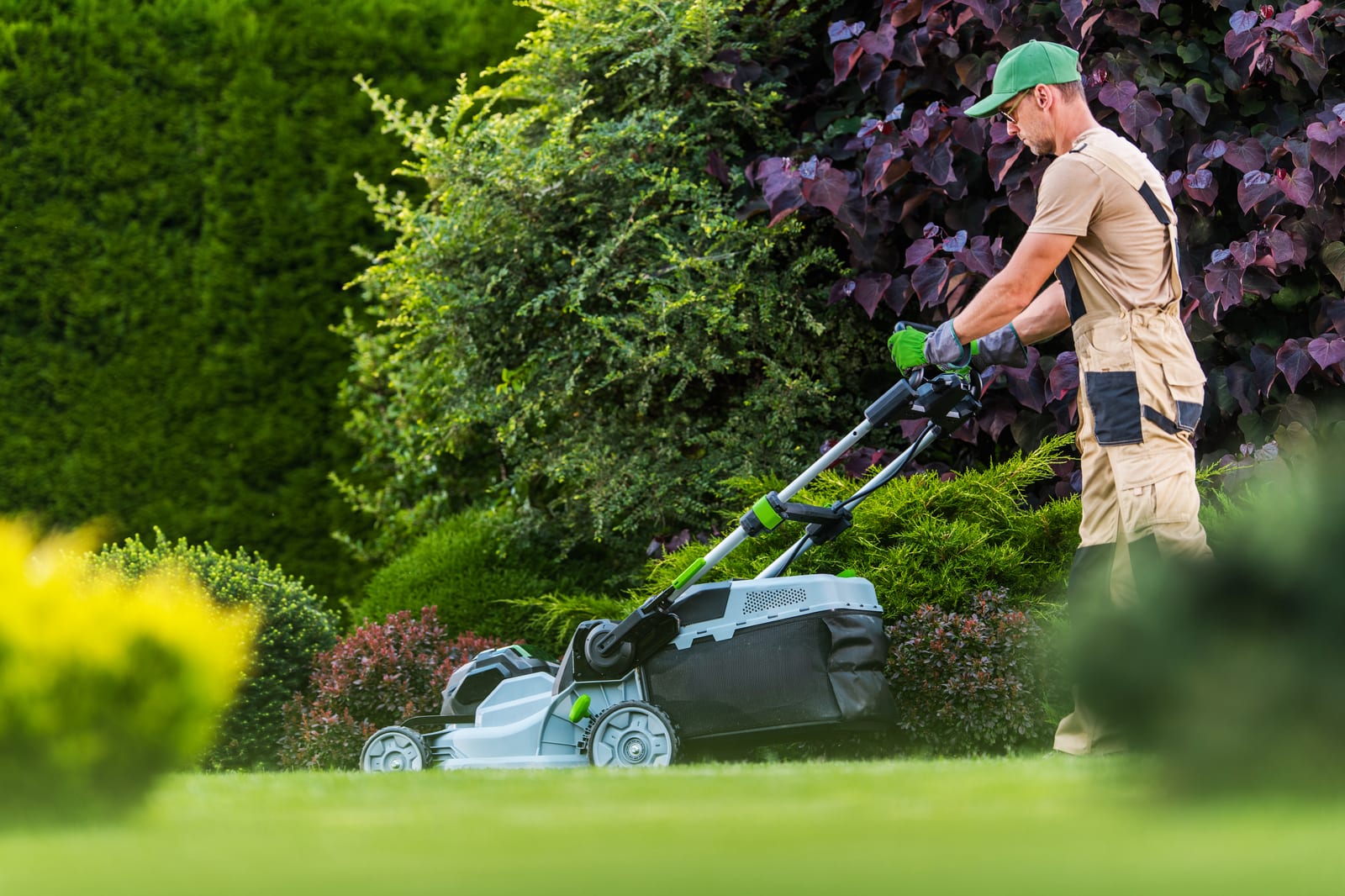
📌 Key Takeaway: The best crew dispatch software for lawn care does more than assign stops—it connects routing, crew communication, treatment tracking, statement billing, and payroll into one daily operating system.
Crew dispatch software for lawn care should solve the hardest part of running a field operation: getting the right crew, with the right work, to the right property at the right time without constant phone calls and schedule changes. If dispatch still lives on a whiteboard, in group texts, or inside one office manager’s head, growth gets messy fast. Missed stops, duplicate work, lost route time, and confused crews all come from the same root problem: the business lacks one reliable system for daily execution.
That is why dispatch cannot stand alone. In a lawn company, dispatch touches every part of the day. It affects route density, labor usage, customer communication, visit reporting, and how quickly completed work turns into a clean customer statement. Complete lawn service management software matters here because the dispatcher is not only assigning work. The dispatcher is managing capacity, handling exceptions, keeping crews moving, and making sure the office and field stay aligned.
What crew dispatch software for lawn care should actually do
Most lawn operators start by looking for a scheduling tool. That is too narrow. Crew dispatch software for lawn care needs to handle the entire chain from planned work to completed visit. If it only drops jobs onto a calendar, it will break the moment a crew runs late, a property adds work, or weather forces a route change.
A strong dispatch system starts with a clear daily schedule. Crews need to see where they are going, what service they are performing, any notes for the property, and the order of stops. The office needs the same live view so dispatchers are not guessing where a truck is or whether a visit was finished. When everyone works from the same schedule, confusion drops and rework goes with it.
Routing is the next layer. Dispatch software should group nearby work together so crews spend less time driving and more time producing. In lawn service, route quality matters because every extra turn, backtrack, and deadhead mile eats into the day. Organized route building also helps when one crew has extra capacity and another is overloaded. Work can be moved with less disruption because the schedule is visible and structured, not buried in texts or paper sheets.
Field communication has to be built in as well. Crews need job notes, gate codes, service instructions, and changes pushed into the same system they use to view stops. Dispatch falls apart when instructions are scattered across calls, text messages, and handwritten notes. One update in one place is faster and easier to trust.
Finally, dispatch software should close the loop after the visit. The office should know the work was completed. The customer record should update. Visit reports and treatment logs should be attached where needed. Then billing can flow into a running statement without extra data entry. That is what separates a true operations platform from a simple calendar.
Why lawn companies outgrow manual dispatch
Manual dispatch often works when the owner still knows every property and can personally correct mistakes as they happen. The problem is that the business becomes dependent on memory. Once routes expand, crews multiply, or service types diversify, memory stops scaling.
The first crack usually shows up in the morning. Crews leave late because they are waiting on printed lists, last-minute changes, or missing instructions. Then the day gets harder. A customer calls to ask whether service is coming. The office cannot answer without calling the crew. A technician finishes early but has no clear next assignment. Another crew falls behind and no one rebalances the workload soon enough. By the afternoon, dispatch has turned reactive.
Manual systems also hide weak route design. When dispatch lives on paper, it is easy to keep sending crews across town between stops because “that’s how we’ve always done it.” Software makes inefficiency visible. You can see whether a route is compact or scattered, whether one crew consistently gets overloaded, and whether certain service windows create recurring stress.
There is also the documentation problem. Lawn work is operationally repetitive, but the details still matter. One property may need a treatment note. Another may have access instructions. Another may require a specific crew setup or follow-up. When those details are not attached to the scheduled work, they get lost. The result is inconsistency in the field and frustration in the office.
The companies that outgrow manual dispatch cleanly are the ones that stop treating scheduling as a side task. They treat dispatch as a core operating function. Once that happens, software becomes less of a convenience and more of a control system for the whole business.
The features that matter most in daily dispatch
Not every feature list matters equally. For lawn operators, a few capabilities make the biggest practical difference because they reduce daily friction instead of adding more screens to manage.
Mobile access is essential. Crews need the day’s work on a phone or tablet, not on a printout that is outdated the moment the first change happens. A mobile app gives crews a live schedule, property notes, and service details in the field. It also lets the office push updates without chasing trucks down one by one.
Route optimization is just as important. A dispatcher should be able to organize stops in a sensible order and adjust quickly when conditions change. Good route planning protects labor hours and fuel usage, but it also improves service reliability. When crews are not zigzagging across service areas, they are more likely to stay on time.
Visit reporting matters because dispatch is not finished when a crew arrives. The office needs confirmation that work was done, and the customer record needs to reflect reality. Visit reports, treatment logs, and completion status help prevent billing disputes and reduce guesswork later. They also make it easier to handle callbacks because the business can see what happened at the property instead of relying on memory.
Crew visibility is another priority. Dispatchers need a clean way to see what is assigned, what is complete, what is delayed, and what needs attention. That visibility helps with same-day decisions. If weather shifts, a crew member calls out, or a property adds work, the dispatcher can respond from a real schedule instead of starting over.
Payroll connection is often overlooked, but it matters. Dispatch determines who did the work and when the work happened. When crew assignment and completion data connect to payroll tools, the office spends less time reconciling timesheets against paper route sheets and text updates. That reduces admin drag at the end of the week.
Billing should connect too, but in the right model. For recurring lawn work, statement-based billing fits operations better than a stack of separate per-visit paperwork. When completed visits feed the customer account, the business can manage a running balance and customer payments more cleanly. That is especially useful for recurring routes and ongoing treatment schedules.
How dispatch software improves customer experience and cash flow
Dispatch sounds like an internal process, but customers feel it immediately. A well-dispatched lawn company looks organized. Arrival windows are more predictable. Special instructions are followed more consistently. Service records are easier to reference when a homeowner has a question. The customer may never think about dispatch directly, but they notice when the business runs smoothly.
Better dispatch also improves communication. When the office has a live view of the schedule, it can answer basic customer questions without putting callers on hold to track down a crew. That alone changes how professional the business feels. Clear scheduling and service status also make automated reminders and post-visit updates more useful because they are driven by real field activity, not assumptions.
Cash flow improves when completed work moves through the system cleanly. If crews finish work but the office has to reconstruct what happened before posting charges, billing slows down. A connected platform closes that gap. Completed visits update the customer account, statements stay current, and payment collection becomes more consistent. In a recurring service business, operational clarity and payment speed are tied together.
This is one reason complete lawn service management software is stronger than dispatch-only tools. Dispatch-only software may help assign work, but the office still has to bridge the gaps manually between field execution, customer communication, payments, reports, and payroll. Those gaps create delay. In practice, delay is expensive even when it does not show up on a line-item report.
A customer portal supports this flow as well. When homeowners can review their account, see their statement, and make payments without calling the office, the business spends less time handling routine account questions. That frees staff to solve exceptions instead of processing the same repetitive tasks every week.
How to choose software without buying the wrong system
The wrong dispatch platform usually looks fine in a demo because demos are controlled. The real test is whether the software fits how a lawn company actually operates during a messy week. Before choosing a system, define the field reality first.
Start with your service mix. A company focused on mowing routes, treatment schedules, hedge work, and seasonal cleanup needs software that can handle repeating work as well as one-off jobs. Dispatch gets harder when the platform treats every visit like an isolated event. Lawn service is built on recurring work, so the software should reflect that.
Next, look at crew workflow. Ask how the office assigns work, how the field receives updates, how completion is tracked, and how property notes are stored. If the answer still depends on separate texts, paper notes, and manual callbacks, the software is not really solving dispatch. It is only adding another layer.
Then check what happens after completion. Can the visit record flow into reports? Does the customer account update cleanly? Can payments and statements stay aligned with the work that was performed? If dispatch ends at assignment, the office will carry the burden later.
This is also where product framing matters. Some platforms are built around generic field service workflows. Others are tailored more closely to route-based recurring work. Jobber, Service Autopilot, RealGreen, ServiceTitan, and QuickBooks may come up during research, but the key question is simpler than a feature checklist: does the system reduce handoffs across your actual daily process?
For many operators, that points toward software that combines dispatch, route management, mobile field tools, visit reporting, statement billing, payroll, and QuickBooks integration in one place. That is the difference between buying a dispatch feature and implementing a dispatch system.
Frequently Asked Questions
What is crew dispatch software for lawn care?
Crew dispatch software for lawn care is software that assigns field crews to scheduled properties, organizes stop order, shares property notes, tracks job completion, and keeps the office and field working from the same live schedule. The best systems also connect dispatch to route planning, visit reports, payments, and payroll.
Is dispatch software different from lawn scheduling software?
Yes. Scheduling is only one piece of dispatch. A schedule shows what should happen. Dispatch manages how that work is assigned, communicated, adjusted, completed, and documented throughout the day. In lawn service, that distinction matters because field conditions change constantly.
Why does statement billing matter in dispatch?
Dispatch and billing connect through completed work. When a crew finishes a visit and the record updates correctly, the customer account can stay current without manual re-entry. Statement billing works well for recurring lawn service because customers see a running balance instead of a pile of separate per-visit paperwork.
When should a lawn company move off manual dispatch?
A company should move off manual dispatch when daily operations depend too much on memory, paper route sheets, scattered texts, or constant phone calls to crews. If the office struggles to answer where a crew is, whether work was completed, or how to rebalance the day after a disruption, manual dispatch has already become a limit on growth.