📌 Key Takeaway: Seasonal marketing works when the message matches what customers are already thinking about. Strong campaigns fit the season, address real needs, and stay consistent across every channel.
How to Adjust Marketing Messages by Season
Seasonal marketing works because timing changes what customers notice. A homeowner browsing in late spring is not in the same frame of mind as someone looking for help in early fall. The weather, the calendar, and the chores that come with each season shape urgency and priorities, so the message should shift with them.
That does not mean rebuilding your brand every few months. It means changing the angle, offer, and wording so the message feels current. The core identity stays steady. The seasonal message makes the service feel immediate.
Good seasonal messaging does three things at once. It matches the customer’s situation, points to a clear next step, and gives the audience a reason to act now. When those pieces line up, the message feels relevant instead of repetitive.
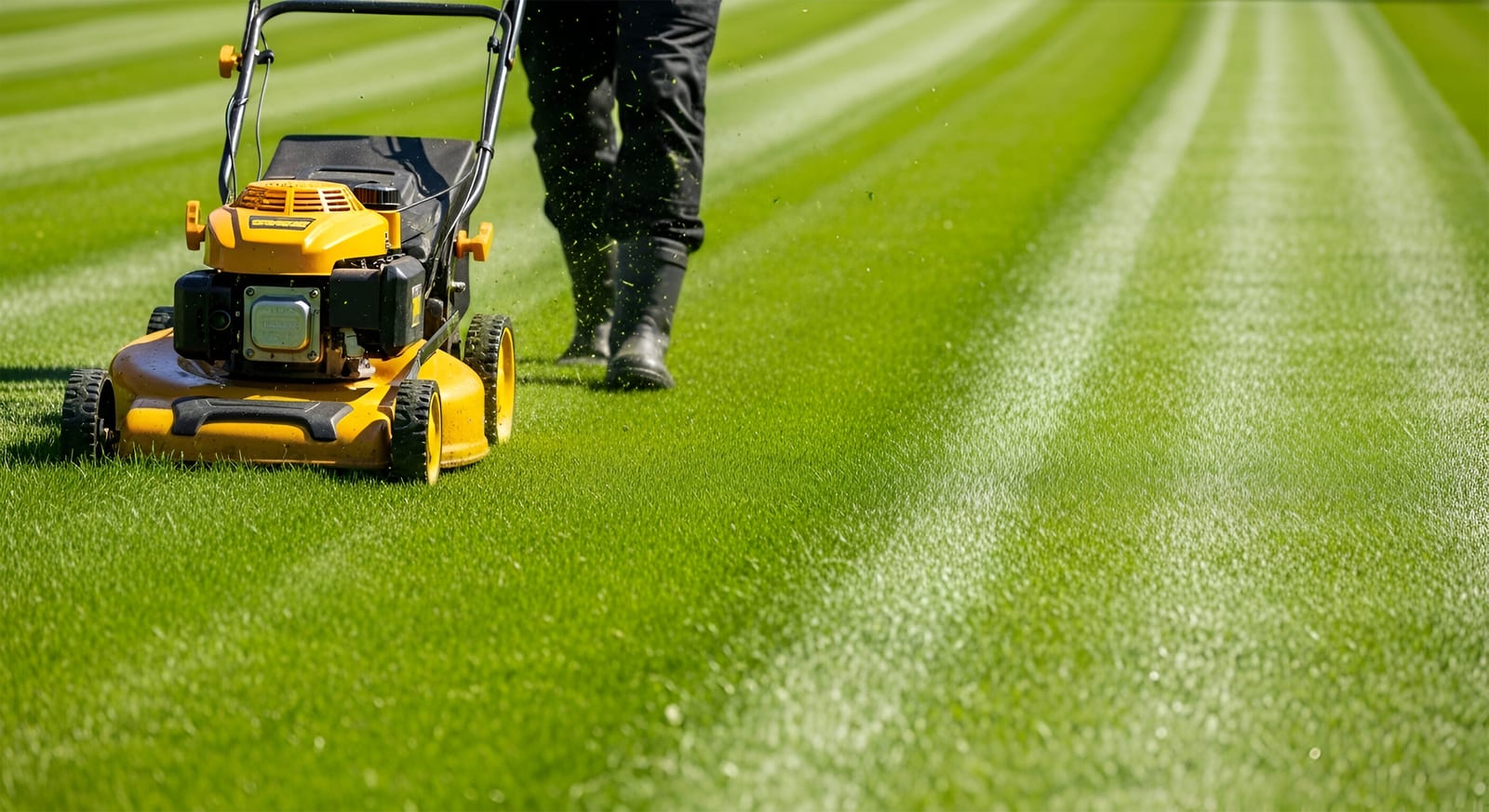
That matters across the year, especially for service businesses that depend on recurring demand. A lawn care company does not sell the same benefit in every month. In spring, the message may focus on cleanup and recovery. In summer, it may shift to maintenance and consistency. In fall, it may emphasize preparation and finishing strong. The service stays the same, but the reason to buy changes.
The Importance of Seasonal Marketing
Seasonal marketing helps a business speak to what customers already care about. People respond faster when a message reflects the weather, the calendar, or a familiar yearly routine. That makes the offer easier to understand and easier to trust.
It also gives a business a natural way to stay visible without sounding repetitive. The same service can be framed from different angles as the season changes. That keeps the brand fresh while reinforcing the value of what it does.
Seasonal campaigns also help you stand apart from competitors who rely on the same generic language all year. If every company says “Call us today,” the message blends together. If your campaign speaks to the current season and explains why now is the right time, it feels more useful and more memorable.
The real value is consistency. Customers begin to associate your brand with a reliable rhythm: spring cleanup, summer maintenance, fall preparation, winter planning. That repetition builds recognition because it connects your business to a predictable need.
A simple example shows how this works. A lawn care company running a spring campaign can focus on recovery after winter instead of saying only “lawn service.” The message can point to thinning turf, uneven growth, and the need to get ahead of peak season. That works because it names the problem customers can already see in their yards.
A tighter version of the same idea is even stronger. A company notices that late-spring calls increase after the first stretch of warm weather because homeowners finally see bare spots and uneven growth. The company turns that pattern into a campaign that says, in effect, “Your yard is telling you it needs attention now.” The message works because it mirrors what the customer already sees outside the door.
The broader economy can shape that urgency too. The U.S. unemployment rate was 4.10% on August 1, 2026, which means many homeowners are still careful with discretionary spending. Seasonal messages that are specific and practical can help a service feel like a necessary choice instead of an optional one.
That kind of timing matters because a customer who is thinking carefully about spending is still open to clear value. A message that ties the service to a visible seasonal need gives them a reason to act without feeling pressured.
Understanding Your Audience’s Seasonal Needs
Good seasonal marketing starts with a clear view of what your audience wants at different times of year. The season affects priorities, but the details depend on the customer. Some people want convenience. Others want speed. Others want help before a problem gets worse.
That is why broad assumptions are not enough. You need to look at past sales, service patterns, and customer questions to see which offers matter most in each season. If certain services sell faster in spring or requests spike after a weather change, that tells you where to focus your message.
Direct feedback helps too. Surveys, email replies, and social media polls can show you what customers care about right now. You are not trying to guess what they might need later. You are trying to speak to the concern that is already on their mind.
For a lawn care service provider, that often means different messages across the year. In early spring, homeowners may want cleanup and restoration. In the heat of summer, they may care more about routine care and keeping the yard looking consistent. In fall, they may think about preparing the property before the season ends. The marketing should reflect those shifts instead of using the same headline all year.
A practical way to sharpen that message is to watch local demand as the calendar changes. If your calls pick up after the first warm stretch, or if customers ask the same question every fall, those patterns should shape your copy. The best seasonal marketing sounds like it was written by someone who knows what the customer is already dealing with.
A current signal from the job market also matters. On August 1, 2026, the U.S. unemployment rate was 4.10%, which reinforces how important it is to make seasonal offers feel practical, not ornamental. A customer who is weighing every purchase still responds to clear, immediate value.
When the economy feels measured, clarity matters even more. The more your message connects to a seasonal need the customer can see, the less it feels like a sales pitch and the more it feels like a timely answer.
The better you understand the seasonal mindset, the easier it becomes to write copy that feels natural. You are not pushing a hard sell. You are answering a timely question.
Crafting Seasonal Marketing Messages
Once you know what customers need, the next step is to shape the message around that need. Seasonal marketing works best when the copy is specific, practical, and aligned with the time of year.
That does not mean every seasonal message has to feel festive. It means the language should fit the season’s purpose. In winter, people often look for reassurance, planning, and comfort. In spring, they are usually thinking about renewal and getting organized. In summer, the tone can be more active and direct because people are trying to keep up with a busy schedule. In fall, messaging often works best when it focuses on preparation and closing out the year well.
A strong seasonal message keeps the brand voice steady while changing the emphasis. Customers should still recognize your business even when the offer changes. That is where consistency matters. The seasonal angle should support the brand, not replace it.
Visuals help reinforce the message. Seasonal colors, photos, and design cues can make the campaign easier to process at a glance. A spring campaign can feel lighter and fresher. A fall campaign can feel grounded and practical. The goal is not decoration for its own sake. The goal is to make the message immediately feel like it belongs in the current season.
Here is another concrete example. A lawn care company launching a “Spring Cleanup” campaign might focus on clearing winter debris, restoring curb appeal, and preparing the property for active growth. The visuals can show a clean, healthy yard, but the message has to do the real work. It connects a seasonal task to a clear business need, so the offer feels specific instead of generic.
That kind of copy works because it reduces friction. The customer sees the season, recognizes the problem, and understands why the service matters now. That is what moves attention into action.
Leveraging Social Media for Seasonal Marketing
Social media gives seasonal campaigns a direct line to customers. It is one of the easiest places to test new angles, share timely offers, and keep the brand visible when attention shifts quickly.
The best seasonal social posts do not try to do everything at once. They focus on one message, one season, and one action. That might mean sharing a service reminder, promoting a limited-time offer, or posting a quick tip tied to the current season. The more specific the post, the easier it is for people to engage with it.
Seasonal hashtags can help, but only when they support the message. A hashtag should not carry the campaign by itself. It should reinforce the idea you are already communicating. For a lawn care company, a tag tied to summer maintenance or fall cleanup can help organize the campaign and make it easier for customers to share related content.
Social media also works well for time-sensitive promotions. A short-window offer fits naturally with seasonal demand because it gives customers a reason to act before the moment passes. That can be especially effective when the service solves an immediate problem, such as helping a homeowner get the yard ready before a busy stretch of the year.
The real strength of social media is speed. You can respond to changes in weather, customer questions, or seasonal demand without waiting for a long campaign cycle. That flexibility makes it a useful tool for keeping your message aligned with what is happening now.
Utilizing Email Marketing for Seasonal Engagement
Email is still one of the most effective ways to deliver seasonal messages because it reaches people directly. Unlike social posts, which compete for attention, email lands in a place customers already check for updates, reminders, and offers.
The first step is segmentation. Not every customer should receive the same seasonal message. Someone who buys routine service may need a different email than someone who only books during peak months. When the message matches the customer’s history or preferences, it feels more useful and less generic.
Subject lines do a lot of the work. A seasonal subject line should be clear, timely, and easy to scan. It should tell the reader exactly why the message matters now. Inside the email, keep the body focused on the seasonal need, then connect that need to the service or offer.
Personalization helps too. If a customer has used a particular service before, mention it. If the seasonal offer builds on something they already scheduled, say so. That kind of detail shows that the email is not just a blast sent to everyone on the list.
Design supports the message, but it should not distract from it. Seasonal graphics, concise copy, and a single clear call to action are usually stronger than a crowded layout. If the goal is to drive bookings, the email should make that path obvious.
Timing matters as much as wording. Send the email early enough that customers can act on it, but close enough to the season that the message still feels current. That balance keeps the campaign useful instead of outdated.
Practical Tips for Seasonal Marketing Execution
Seasonal marketing works best when it is planned early and reviewed often. A campaign that starts late usually feels rushed, and rushed campaigns tend to rely on vague language instead of a clear seasonal angle.
Planning ahead gives you time to build better messages, coordinate design, and align promotions with actual customer demand. It also helps you avoid last-minute edits that weaken the campaign. When the work starts early, the final message is sharper.
Monitoring trends keeps the campaign grounded. If customer behavior shifts because of weather, timing, or service demand, your message should shift too. That is especially important for service businesses, where a sudden change in season can change what customers are ready to buy.
Customer feedback is another useful guide. If people respond well to one type of seasonal offer, keep using that angle. If they ignore another, revise it. The goal is not to guess correctly once. The goal is to keep learning what your audience responds to in each season.
Results should be reviewed after every campaign. Look at what the message emphasized, how people responded, and which channels performed best. Then use that information to improve the next season’s campaign. Over time, that process makes your marketing more precise and more efficient.
A simple execution rhythm works well: plan early, launch with a clear seasonal hook, track responses, and refine the next message based on what you learn. That keeps marketing from feeling random and makes each campaign stronger than the last.
Integrating Seasonal Marketing into Your Overall Strategy
Seasonal campaigns work best when they support the larger marketing plan instead of sitting apart from it. Your seasonal message should still reflect your brand, your service, and your long-term goals. If it feels disconnected, it may attract attention in the short term but fail to build lasting trust.
That is why seasonal marketing should connect with content, search, social media, and advertising. If you are writing a blog post, the topic should line up with the same seasonal theme you use in email and social posts. If you are running ads, the landing page should continue that same message. The customer should not feel like each channel is telling a different story.
Search also benefits from seasonal relevance. When your website content reflects what people are actually searching for during a given season, your pages have a better chance of matching intent. The key is to be useful first. Seasonal keywords work best when they answer a real question, not when they are stuffed into content for search engines.
Consistency across channels makes the message stronger. When customers see the same seasonal idea in a post, an email, and a service page, the message sticks. That repetition is not accidental. It is what turns a seasonal campaign into a recognizable part of your brand.
For a lawn service business, this can be especially valuable because the work itself follows a natural annual cycle. A company that ties its marketing to that cycle can stay visible throughout the year without sounding forced. The result is a stronger brand and a clearer reason to book.
Conclusion
Seasonal marketing works because it meets customers where they are. When your message reflects the time of year, the customer’s current concerns, and the service they are ready to buy, the campaign feels useful instead of generic.
The strongest seasonal strategies rely on planning, audience insight, and consistent execution. Social media, email, and website content all have a role to play, but they work best when they support one clear seasonal idea. That is what gives the message focus and helps it drive action.
If you want to keep your seasonal marketing organized, tools like EZ Lawn Biller can help streamline the work. Complete lawn service management software makes it easier to coordinate billing, routing, treatment tracking, visit reports, the mobile app, reports, payroll, QuickBooks integration, and the customer portal in one place. That kind of system helps you stay organized while you keep your marketing tied to the season, the service, and the customer’s next decision.
Frequently Asked Questions
How should you change marketing messages from one season to the next without confusing customers? Keep the core identity of your brand steady and adjust the angle, offer, and wording around it. The message should reflect what customers are dealing with in that season, such as cleanup in spring, maintenance in summer, or preparation in fall. That way, the service still feels familiar, but the reason to act now changes with the season.
What makes a seasonal marketing message effective? An effective seasonal message matches the customer’s current situation, points to a clear next step, and gives a strong reason to act now. When those pieces line up, the offer feels relevant instead of repetitive. It also becomes easier for customers to understand and trust because it speaks to something they already care about.
Why does seasonal marketing help service businesses stand out? Seasonal marketing helps you avoid sounding generic by tying your message to the weather, the calendar, or a familiar yearly routine. If competitors keep using the same broad language all year, your seasonal message feels more useful and more memorable. That can make your brand easier to recognize and recall when customers are ready to buy.
How does seasonal messaging build long-term customer recognition? When you consistently connect your services to the same seasonal rhythm, customers start to associate your brand with timely needs throughout the year. That creates a sense of reliability, like knowing where to turn for spring cleanup, summer maintenance, and fall preparation. Over time, the message becomes part of your brand identity without requiring you to change the service itself.