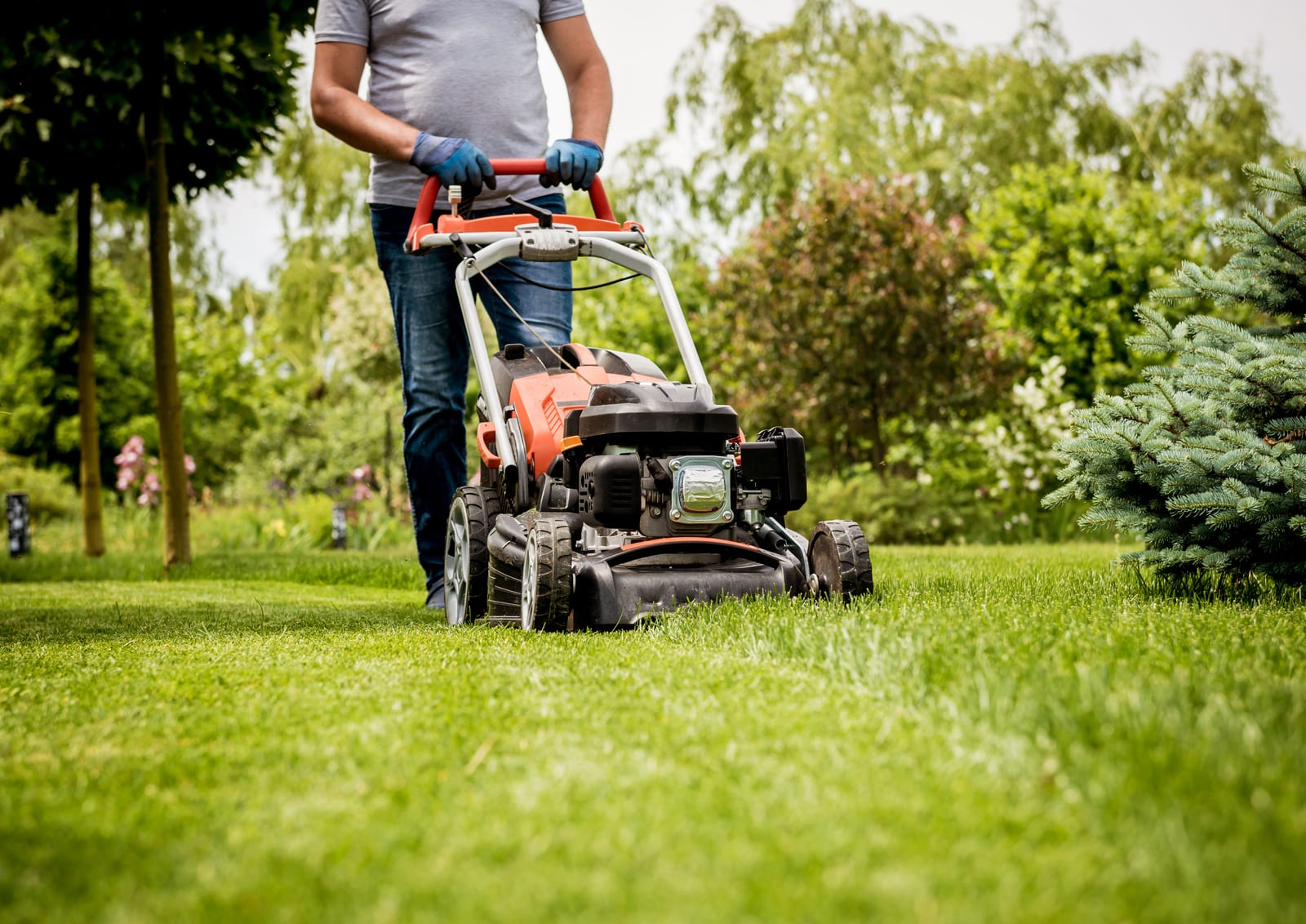
📌 Key Takeaway: The best way to estimate lawn mowing jobs is to price the actual work on the property, not guess from the street.
If you want to learn how to estimate lawn mowing jobs without underbidding or scaring off good customers, you need a repeatable process. Good estimates come from the same inputs every time: property size, grass conditions, obstacles, crew time, travel time, equipment needed, and the service level the customer expects. When those factors are documented the same way on every quote, pricing gets faster, cleaner, and more profitable.
A mowing estimate is not just a number you throw out after a quick glance at the front yard. It is a decision about labor, route fit, equipment wear, trimming detail, cleanup time, and how often the property will need service. Small errors compound over an entire season. A property that looks simple can turn into a slow stop if the yard has gates, steep sections, heavy edging, pet waste, toys, irrigation heads, or overgrown fence lines. The reverse is also true. Some larger properties mow quickly because the layout is open and efficient. That is why a structured estimating process matters.
How to estimate lawn mowing jobs with a repeatable system
The fastest way to improve estimates is to stop pricing from instinct and start pricing from a checklist. Every estimate should answer the same operational questions before you decide on the final price. That gives you consistency across different sales staff, crews, and neighborhoods.
Start with the physical layout of the property. Look at mowable turf, not just lot size. A property may sit on a sizable lot but have beds, trees, patios, hardscape, or natural areas that reduce actual mowing area. Then evaluate the trimming load. String trimming around fences, trees, mailboxes, playsets, utility boxes, and landscape edges can add more time than the mowing itself. Edging requirements matter too. A clean line along sidewalks and driveways takes time and should not be treated like a free extra.
Next, assess access. Narrow gates, backyard slopes, soft ground, parked vehicles, and fenced sections slow down the work. If your crew needs to switch from a larger mower to a push mower, the stop changes dramatically. The same goes for bagging, clipping removal, or special instructions about where debris can go. These are labor decisions, not minor details.
Finally, define the service scope before you price. Some customers want a basic mow, trim, and blow. Others expect heavy detail work, clipping cleanup, bed touch-up, or photo-based visit reporting after each stop. If you estimate one scope and deliver another, the job becomes unprofitable fast. A repeatable system keeps the estimate tied to the actual work, which is what protects your margin.
Measure time first, then turn time into price
Most bad estimates start with the wrong unit of thinking. Owners often focus on what nearby companies seem to charge. That is a weak starting point because it ignores your crew speed, route density, equipment mix, and service standards. The better approach is to estimate the time required to complete the stop and then build the price from that.
Think in crew minutes. How long will it take to unload, mow, trim, edge if included, blow off hard surfaces, load back up, and leave the property ready for the next stop? That number should reflect normal operating conditions, not a perfect day. If the property is already overgrown, if wet grass will slow mowing, or if there is a lot of trimming around obstacles, account for that up front.
Time estimation gets better when you separate properties into work types. Open, flat lawns mow differently than irregular yards with fences and tree rings. Corner lots with long sidewalks need more edging. Properties with detached backyard sections create extra walking and repositioning. Once you see these patterns, you can estimate faster because you are comparing the property to similar stops your crews already service well.
Travel should be part of the estimate too. A profitable mowing price on a dense route can become a poor price if the property sits far from your existing work. Operators who stay disciplined about route fit make better money on the same labor because windshield time stays under control. That is one reason complete lawn service management software matters. When routing, customer records, visit notes, and billing live in one place, it becomes easier to see whether a new property improves the route or disrupts it.
This is also where documentation helps. If you record estimated crew time, access issues, service frequency, and special instructions before work begins, you can later compare the estimate to actual field performance. Over time, your estimates get sharper because they are tied to real stop data instead of memory.
What to look for during the property visit
A quick walk of the property usually reveals the difference between an easy stop and a problem stop. The goal is not to impress the customer with speed. The goal is to identify every detail that affects labor.
Start at the curb, but do not stop there. Front-yard appearance often hides the difficult parts. Walk the side yards and backyard. Check whether gates are wide enough for your mower. Look for steep grades, drainage swales, tree roots, exposed irrigation, rocky areas, low branches, and sections that force hand work. Notice how many transitions the crew must make between turf types or separated lawn sections. Every interruption slows production.
Then look at the maintenance condition. A well-kept lawn on a regular schedule is different from a lawn that has been skipped, scalped, or allowed to grow unevenly. The first cut on an overgrown property can require extra passes, slower mowing, heavier trimming, and more cleanup. That should be handled as a separate initial service condition, not blended into a standard recurring price without explanation.
Pay attention to the customer’s expectations while you are on site. Some owners care most about simple consistency. Others care about visible lines, precise edging, gate closure, pet safety, or keeping clippings out of beds and the street. Those details influence crew behavior and time on site. If expectations are high, the estimate should reflect the work standard needed to meet them.
It also helps to clarify what is not included. If hedge trimming, debris haul-away, leaf cleanup, treatment work, or irrigation repair are outside the mowing scope, say so clearly. Ambiguity is one of the biggest causes of margin loss in residential service work. A clean estimate defines the service and sets boundaries before the first visit.
Common estimating mistakes that destroy profit
Most pricing problems do not come from a single dramatic mistake. They come from a series of small assumptions that all lean in the wrong direction. When enough of those assumptions stack up, the route suffers.
One common error is pricing by lot size alone. Lot size does not tell you how complex the mowing is. A smaller yard with dense obstacles and difficult access can take longer than a larger open lawn. Estimating from square footage alone misses the real driver, which is field time.
Another mistake is ignoring trimming and cleanup. Many operators mentally price the mow and treat the trim work as automatic. That is dangerous. String trimming, edging, and blowing off sidewalks, patios, and driveways are part of the finished result the customer sees. If you do not account for them, you are giving away labor on every stop.
Owners also lose money when they overlook route fit. A decent standalone price can still be a poor business decision if the property pulls a crew far outside its productive service area. That is why estimating should never be separated from routing. Sales and operations have to work together. If a new lawn fills a gap in an existing route, the estimate can work differently than a one-off property that adds travel and dead time.
Another frequent mistake is failing to revisit bad estimates. If a stop repeatedly runs long, the answer is not to hope the crew gets faster forever. Review the property notes, compare estimated time to actual time, and decide whether the service scope, route placement, or price needs to change. Strong operators treat estimating as a living operational process, not a one-time sales event.
Finally, avoid vague communication. If the customer thinks bagging is included, or expects extra cleanup after storms, or wants every gate latched a certain way, those details must be documented. Clear expectations reduce callbacks and keep crews moving efficiently.
Build estimating into your scheduling and statement billing workflow
The best estimate in the world still creates friction if it lives on a sticky note, in someone’s texts, or only in the owner’s head. Estimating needs to flow directly into scheduling, customer records, visit reporting, and statement billing. That is where process turns into scale.
When a new mowing customer is approved, the estimate details should become the job setup. Service frequency, crew notes, gate instructions, trimming requirements, route placement, and any property warnings should move into the system the crew uses every day. That reduces handoff mistakes and keeps the field team aligned with what was sold.
This is also why complete lawn service management software has real value beyond office convenience. In EZ Lawn Biller, your customer information, route planning, mobile app workflow, treatment tracking, payroll support, reports, and QuickBooks integration work together. Instead of treating estimates as isolated paperwork, you can manage them as part of the full operating system of the business.
Billing matters here too. Lawn service is recurring work. A statement-based billing model fits that reality better than a disconnected stack of one-off charges. With a running balance, the customer sees ongoing service activity and payments in a format that matches how recurring lawn care is actually delivered. That makes the business easier to manage as customers move from estimate to recurring service.
A clean workflow also makes performance review possible. If you can compare estimated work against actual route time and crew output, you can spot where your pricing is solid and where it drifts. That feedback loop is what sharpens future estimates and helps you grow without losing control of margins.
If your current setup makes it hard to track route fit, customer expectations, and recurring payments in one place, review your EZ Lawn Biller pricing or request a demo. Estimating improves when the rest of the operation is organized too.
Turn better estimates into better customers
Estimating is not just about winning the job. It is about winning the right job at the right service level for your route. That mindset changes how you sell. Instead of chasing every lead, you qualify properties that fit your operation and price them in a way that supports consistent service.
Customers notice when an estimate is specific. They can tell the difference between a contractor who glanced at the lawn and named a price and a professional who evaluated access, condition, detail work, and service expectations. Specificity builds trust because it shows you understand what the property requires. It also gives you a better foundation for holding the line on price.
Better estimates also improve retention. When the price matches the work, crews are less rushed, service quality is steadier, and billing disputes decline. That creates a more stable customer base over time. In lawn service, recurring revenue comes from consistency. Estimating is one of the first places that consistency is either built or lost.
The goal is simple: create a repeatable process that your office can follow, your crews can execute, and your customers can understand. Once that process is in place, quoting gets faster, route quality improves, and growth becomes easier to control.
Frequently Asked Questions
How do I estimate lawn mowing jobs if I cannot visit every property in person?
An in-person visit is still the strongest option because it reveals access issues, slopes, trimming load, and backyard complexity that are easy to miss from a distance. If you cannot visit every property, gather detailed photos, confirm gate access, ask about mowing frequency, and document any obstacles or special instructions before pricing. Remote estimates work best when you use a strict checklist and verify scope before the first service.
Should I charge differently for an overgrown lawn?
Yes. An overgrown lawn usually requires more labor, slower mowing, more trimming, and heavier cleanup than a normal recurring stop. Treat the first visit as its own condition instead of quietly folding that extra work into a standard recurring mowing rate. Then set a recurring price based on what the property should require once it returns to a normal maintenance cycle.
What is the biggest mistake when learning how to estimate lawn mowing jobs?
The biggest mistake is guessing based on appearance alone. A lawn that looks simple from the curb may have narrow access, backyard obstacles, detailed edging, or cleanup demands that add meaningful crew time. Good estimates come from the actual work on the property, not from quick visual assumptions or what another company may be charging nearby.
How often should I review my mowing estimates?
Review them whenever certain properties consistently run longer than planned, create crew frustration, or produce customer confusion about scope. You should also revisit estimates as routes change, equipment changes, or service standards change. Estimating is not static. It improves when you compare what you sold with what the crew actually does in the field.