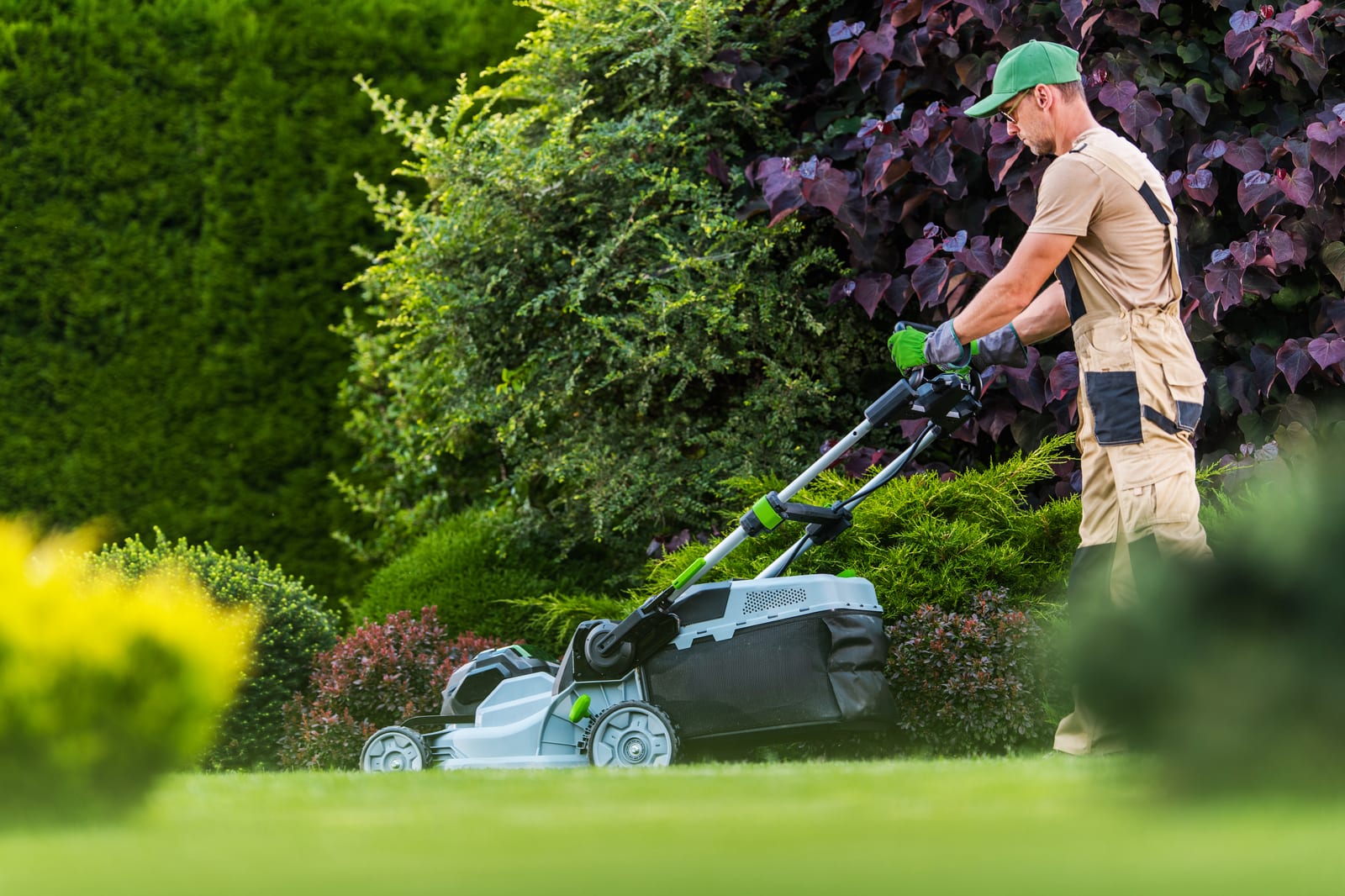
📌 Key Takeaway: The fastest way to start a lawn care business that lasts is to begin with a narrow service mix, tight routes, clear pricing, and systems that keep customers coming back.
If you are figuring out how to start a lawn care business, treat it like an operations business from day one, not just a way to pick up a few yards. The owners who last do not simply buy equipment and hope the phone rings. They choose profitable services, define a service area, set up clean billing, and build routes that make each day easier to run. Lawn service rewards consistency. When your schedule is reliable, your communication is clear, and your work is repeatable, recurring revenue follows.
How to Start a Lawn Care Business With the Right Foundation
The first decisions shape everything that comes after. Before you market, hire, or add more work, decide exactly what kind of lawn company you are building.
Start with a simple service mix. Most new operators do better when they focus on work that repeats on a schedule rather than saying yes to every one-off request. Recurring mowing, routine trimming, seasonal cleanup, fertilization, weed control, and hedge work are easier to route and easier to sell to homeowners who want dependable help. A narrow menu also makes quoting simpler because you are not reinventing your process at every property.
Next, define your service area tightly. Long windshield time kills margin. A new business often loses money not because the work is bad, but because the route is scattered. It is far better to dominate a small cluster of neighborhoods than to chase work across town. Tight route density lowers fuel use, shortens gaps between stops, and gives you room to handle schedule changes without wrecking the day.
You also need a clear picture of your ideal customer. Some companies serve homeowners who want weekly mowing and seasonal treatments. Others focus on properties that need a broader maintenance plan. Choose the type of customer that matches your equipment, your skill set, and the level of communication you want to manage. When you know who you serve, your pricing, messaging, and route planning become much easier.
This is the real foundation: repeatable services, a compact territory, and a customer profile you can serve well. Without that, growth turns messy fast.
Set Up the Business Side Before You Chase Growth
A lawn business feels hands-on, but the paperwork matters just as much as the mower. Clean setup protects you, helps you get paid, and keeps small mistakes from becoming expensive problems.
Choose a business structure, register the business, and handle the local licensing and tax requirements that apply in your area. Lawn operators also need to think through insurance early. Property damage, equipment theft, vehicle issues, and employee injuries are all operational risks, not distant possibilities. If you plan to offer treatment services, make sure you understand any licensing or compliance rules tied to fertilizer or weed-control applications in your state.
Open a dedicated business bank account. Keep business income and business spending separate from personal transactions. That one decision makes bookkeeping cleaner and helps you see whether the company is actually working. It also reduces confusion when you review expenses, reconcile payments, or prepare records for tax time.
Then build a simple operating system for estimates, approvals, scheduling, billing, and payment collection. This is where many new owners fall behind. They assume they can patch everything together with texts, notes, and memory. That works only until the customer count grows. Missed visits, forgotten upsells, and slow collections usually come from weak systems, not a lack of effort.
A complete lawn service management software platform matters early because it keeps work organized while the business is still small. EZ Lawn Biller is not just a billing tool. It combines routing, treatment tracking, visit reports, a mobile app, reports, payroll, QuickBooks integration, and a customer portal. Just as important, it uses statement-based billing rather than a pile of per-visit invoices. For recurring lawn work, that model fits the business better. Homeowners can view a running balance, make payments, and stay current without confusion.
Getting the back office right does not slow growth. It makes growth possible.
Choose Services, Equipment, and Pricing That Support Profit
New operators often make the same mistake: they buy too much equipment, offer too many services, and price too loosely. A better approach is to match each service to a clear process and a clear margin target.
Begin with equipment that fits the work you already plan to sell. Reliable essentials matter more than a large fleet. You need gear that lets you complete the route safely, consistently, and without constant downtime. Think in terms of throughput. How fast can this setup complete a normal stop? How easily can it move between properties? How much maintenance does it add to your week? Every piece of equipment should earn its place on the trailer.
Service selection should follow the same logic. Recurring work builds the base. Add-on services increase ticket value when they fit naturally into the visit schedule. Mowing customers may also need edging, blowing, hedge trimming, mulch refreshes, or seasonal cleanups. Treatment customers may need recurring applications tracked carefully with notes and visit reports. The key is operational fit. If an add-on creates major travel, custom estimating, or specialized labor for only occasional revenue, it may distract more than it helps.
Pricing needs to reflect time, labor, travel, equipment wear, and the complexity of the property. Do not price from guesswork or from fear of losing the job. Price from the real effort required to complete the work well and return on schedule. Flat rates can work well for standardized recurring services. Custom quotes make sense when terrain, lot size, obstacles, or service scope vary widely. Either way, your pricing should be easy to explain and easy for your team to follow.
It also helps to separate maintenance pricing from extra work. Homeowners should understand what is included in the recurring service and what falls outside it. Clear boundaries reduce disputes and make it easier to recommend upgrades without sounding arbitrary. When your scope is defined up front, customers are more likely to trust the bill and approve additional work later.
Profit does not come from being the cheapest option. It comes from running efficient routes, doing consistent work, and charging in a way that supports both.
Build a Local Customer Base Without Wasting Time
A new lawn care business needs visibility, but not every marketing tactic deserves equal attention. The most effective early marketing is local, specific, and easy for homeowners to act on.
Start where route density is easiest to build. Neighborhoods with strong curb appeal, active homeowner turnover, or visible lawn standards tend to generate more recurring demand. Yard signs, door hangers, trucks with clear branding, and a simple referral habit all work best when they reinforce each other in the same small area. Repetition matters. When homeowners see the same company truck on the same streets each week, trust builds faster than it does with broad, scattered promotion.
Your online presence should support that local visibility. Keep your service list clear. List the towns or neighborhoods you actually serve. Make it easy for a homeowner to request an estimate, ask a question, or approve work. The strongest message is not “we do everything.” It is “we reliably handle this type of lawn service in this area.”
Speed also matters. When a lead comes in, follow up quickly and give a clear next step. Homeowners comparing lawn companies usually want a straightforward answer: what you offer, when you can start, and how billing works. Slow replies create doubt. Confusing proposals create friction. Simple wins.
Retention deserves as much attention as acquisition. A lawn business grows faster when customers stay. Show up on schedule. Communicate weather delays early. Use visit notes and photos when needed. Recommend add-ons based on the property, not on a generic script. A homeowner who trusts your consistency is much easier to keep than a homeowner you have to win back every month.
This is another reason software matters. When your route, customer notes, statements, and visit history live in one system, you can operate with fewer dropped details. That is how a small local company looks organized from the beginning.
Turn Daily Operations Into a Repeatable System
Starting a lawn care business is one challenge. Running it smoothly week after week is the real test. The operators who scale are the ones who make daily work predictable.
Routing should be built around geography first, not around whoever called most recently. Group stops tightly, set realistic service windows, and avoid stacking too much work into one day. A route that looks full on paper can still fail in practice if drive time, unloading, weather changes, and property complexity were ignored. Good route planning gives you breathing room. It also gives customers a more dependable experience.
Standardize the work at each stop. Create a consistent sequence for mowing, trimming, edging, blowing, gate checks, and final walkthroughs. For treatment services, standardize application notes, product tracking, and follow-up communication. Standardization improves quality and makes training easier when you add help.
Documentation matters more than many new owners expect. Visit reports, property notes, gate codes, pet warnings, special instructions, and service history reduce callbacks and protect against disputes. They also help when a different crew member covers a route. A business becomes easier to manage when the knowledge is stored in the system, not only in one person's memory.
Billing and collections should also be routine. Recurring lawn service runs better on a predictable statement cycle. Customers understand what they owe when they can see the running balance clearly. Payments come in faster when the process is simple and the reminders are consistent. Chasing individual jobs one by one creates more office work than most owners realize. Statement billing is a better fit for repeat service because it matches how homeowners experience the relationship: ongoing maintenance, not isolated transactions.
Finally, watch the numbers that actually affect operations. Which routes run smoothly? Which services create callbacks? Which customers pay slowly? Which crew days fall behind? You do not need a wall of dashboards to improve the business. You need enough reporting to spot waste, protect margin, and make the next scheduling decision better than the last one.
Lawn service stays strong when the operation is disciplined. Tight routes and consistent systems absorb pressure far better than improvisation does.
Grow Carefully So the Business Gets Stronger, Not Sloppier
Growth creates new problems if it arrives before the business is ready. Adding more customers only helps when your systems can absorb the volume.
The first sign you are ready to grow is operational consistency. Estimates go out quickly. Work is scheduled cleanly. Customers understand the service. Statements go out on time. Payments are tracked. Routes are not chaotic. Once that base is solid, growth becomes a matter of adding density and expanding capacity in a controlled way.
Hire only when the workload and the process are both ready. A new employee cannot fix a disorganized operation. They usually magnify its weak points. Training is easier when every route has notes, every service has a standard, and every property detail is documented. The smoother the system, the faster a new crew member becomes productive.
Be selective about expansion. It is tempting to accept any new property, any distance, and any service request. Resist that urge. Growth should improve route density, deepen neighborhood presence, or increase revenue from existing customers. If a new job adds travel, custom work, and scheduling strain without strengthening the route, it may be a poor fit even if the gross revenue looks attractive.
This is where complete lawn service management software earns its keep again. Routing, treatment tracking, customer communication, statement billing, mobile access, reports, payroll, and QuickBooks integration help you scale without losing control of the details. A business that runs on memory eventually hits a wall. A business that runs on systems keeps compounding.
The goal is not just to start fast. The goal is to build a lawn company that customers trust and that you can manage without daily chaos.
Frequently Asked Questions
What is the first step in how to start a lawn care business?
The first step is to decide exactly which services you will offer and where you will offer them. A tight service mix and compact service area make pricing, routing, and marketing much easier. Once that is clear, set up the business legally and build your scheduling and billing process.
Do I need software to start a lawn care business?
You can begin with simple tools, but software becomes important quickly if you want recurring revenue and organized routes. Complete lawn service management software helps with scheduling, route planning, treatment tracking, visit reports, payroll, customer communication, reporting, and statement-based billing. It reduces missed details and makes the business easier to scale.
How should a new lawn care business charge customers?
Charge in a way that reflects labor, travel, property complexity, and equipment wear. Many recurring services work well with flat rates when the work is standardized. More complex properties may need custom quotes. Keep the scope clear so customers understand what is included in recurring service and what counts as extra work.
Is lawn care a good business to start?
Yes, when it is built around recurring service, route density, and strong operations. Lawn care has steady demand because homeowners and properties need regular upkeep. Operators who stay organized with scheduling, customer communication, and statement billing handle seasonal pressure far better than disorganized competitors.