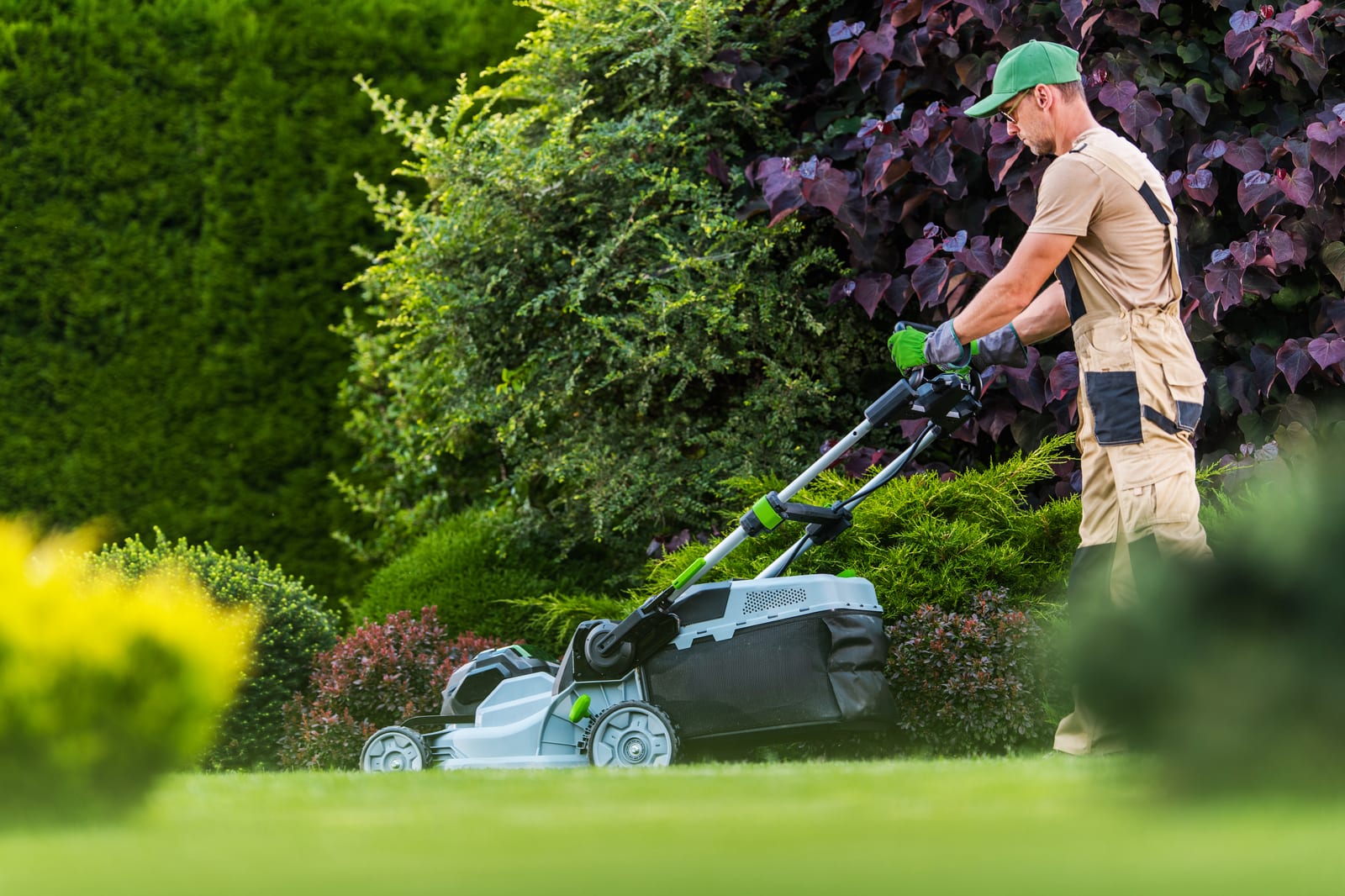
📌 Key Takeaway: The best lawn care app for iPhone and Android does more than schedule jobs—it keeps crews moving, records work in the field, and turns completed visits into faster payments.
A lawn care app for iPhone and Android should solve field problems, not just move paper forms onto a phone screen. Owners need one system that works in the office, in the truck, and on the property. Crews need fast access to routes, customer notes, treatment history, and visit details without calling back to the office. Customers expect clear communication and easy payments. When one app handles scheduling, routing, statement billing, visit reports, and crew coordination across both mobile platforms, the business runs with less friction and more control.
What a lawn care app for iPhone and Android should actually do
Most lawn apps promise convenience. The useful ones create operational consistency. That starts with giving your team the same live job information whether they use an iPhone or an Android device. If the office updates a stop, changes service notes, adds a gate code, or adjusts the day's route, the field team should see it immediately.
A complete lawn service management app needs to cover the entire work cycle. That means scheduling recurring mowing and treatment visits, assigning stops to technicians, building efficient routes, documenting work performed, recording products or services added, and updating the customer account. If the app only handles one part of that chain, the rest of the work falls back into text messages, phone calls, or handwritten notes. That is where mistakes start.
The mobile side matters because lawn businesses are built around movement. Crews leave the yard, run routes all day, and make dozens of small decisions in the field. They need customer contact details, property notes, prior service history, and a clear view of what must be completed at each stop. They also need a simple way to mark work done without opening multiple tools.
Billing matters just as much. In lawn service, recurring work fits statement billing better than a stack of one-off invoices. A running balance gives both the business and the homeowner a clear view of charges, payments, and credits over time. That is easier to manage for repeat mowing, seasonal treatments, hedge work, and add-on services. A strong app ties field completion directly to the customer statement so office follow-up is cleaner and faster.
The right mobile app is not a convenience feature. It is the system that holds together your route work, customer communication, and payment flow.
Why cross-platform mobile access changes day-to-day operations
A lawn company rarely controls what phone every crew member uses. Some prefer iPhone. Others carry Android. Owners and office staff often use a mix of both. That is why a true lawn care app for iPhone and Android matters. Standardizing the workflow is more important than standardizing the hardware.
Cross-platform access removes a common point of failure: information getting trapped with one person or one device type. If an owner updates a route from the office, the crew lead on iPhone and the technician on Android should both see the same change. If a customer calls in with a last-minute request, the office should be able to add that note once and trust it will appear for the assigned crew in the field.
This also improves training. When every technician works from the same app structure, onboarding gets easier. New hires learn one process for checking stops, reading notes, marking work complete, and recording issues. Managers spend less time explaining workarounds and more time enforcing standards.
Cross-platform apps also reduce delays at the end of the day. If field notes, completed visits, and service updates are already synced, the office does not have to chase crews for paperwork or re-enter handwritten data. That shortens the gap between work performed and customer communication. It also makes reporting more accurate because the data comes from the field in real time instead of from memory later.
The bigger point is consistency. A lawn business grows when the same service process repeats cleanly across many properties and many crews. Mobile access on both iPhone and Android helps make that repeatability possible.
Core features that separate a real field app from a basic scheduler
A basic calendar is not enough for route-based lawn work. The best apps combine dispatching, field documentation, customer account updates, and payment support in one place. That combination is what keeps crews productive and prevents office bottlenecks.
Route management is one of the first features to evaluate. Lawn work depends on stop density and efficient travel. Your app should help organize daily routes so crews spend more time servicing properties and less time driving back and forth. Good route tools also make it easier to reassign work when weather shifts, equipment breaks, or a technician calls out.
Visit reports are another major separator. A lawn business needs a record of what happened on site. That may include mowing completion, treatment details, notes about lawn conditions, photos, customer instructions, or follow-up items. Without visit records, disputes are harder to resolve and service quality becomes harder to manage. With clear field documentation, the office has a reliable service trail and the customer gets better visibility.
Treatment tracking matters for companies that do more than mowing. If you apply fertilizer, weed control, or other recurring services, technicians need to see prior visits and log current work accurately. That protects service consistency and makes future scheduling easier. It also helps when a homeowner calls with a question about what was done and when.
Customer communication should also live close to the work. Automated reminders, service updates, and payment notices reduce manual follow-up. When customers know when service is scheduled, what was completed, and what balance remains on their statement, fewer calls come into the office asking for status updates.
Statement billing is another critical distinction. Lawn businesses with recurring service benefit from a running-balance approach. Instead of creating a separate invoice for every stop, the customer sees an ongoing statement with charges, payments, and any credits. That makes regular service easier to manage and simplifies collection activity. Customers can review their balance, make payments, and stay current without sorting through individual job charges.
Finally, reporting and payroll tools matter because mobile data should not stop at the field. If technician activity, completed work, and route production feed directly into reports and payroll workflows, owners get a clearer picture of how the business is performing. A mobile app should support decisions, not just record tasks.
How mobile apps improve service quality and customer retention
Customers stay when the service is dependable and easy to understand. A lawn care app supports that by tightening execution in the field and communication after the visit. Better records lead to fewer missed stops. Better notes lead to fewer callbacks. Better payment visibility leads to fewer awkward billing conversations.
Start with arrival readiness. When crews have gate instructions, pet notes, service preferences, and property history on their phones, they show up better prepared. That prevents the small mistakes that damage trust, like entering the wrong area, skipping a requested task, or missing a known issue on the property.
Then look at completion standards. If technicians mark jobs complete through the app and attach notes or visit details, managers get a clean record of what happened. That supports quality control. It also helps when a customer says a section was missed or asks whether a treatment was performed. The office can respond from the service record instead of guessing.
Consistency also improves customer communication. Homeowners want clarity. They want to know when service is happening, whether anything changed, and what they owe. An app with a customer portal and statement billing gives them a simpler experience. They can review their account, see their running balance, and make a payment without calling the office. That reduces friction on both sides.
This matters because customer service problems often come from operational gaps, not from poor intent. A route change that never reached the crew. A note left on paper in the truck. A payment reminder sent without updated account information. Mobile software closes those gaps by keeping information connected.
The end result is stronger retention through better execution. Not flashy marketing. Not complicated promotions. Just fewer service misses, clearer records, smoother payments, and a more professional customer experience.
Choosing the right app for your crew, office, and billing workflow
The best app is the one your team will actually use every day. That sounds obvious, but it is where many software decisions fail. Owners buy for features. Crews adopt based on speed and clarity. Office staff stick with tools that reduce manual cleanup. You need all three groups aligned.
Start with workflow fit. If your business runs recurring mowing routes, seasonal treatments, hedge work, and cleanup visits, your app should support that mix without forcing clumsy workarounds. Look for a platform built for lawn service rather than a generic field service tool that treats every stop like a one-time job.
Next, test mobile usability in real conditions. Technicians are opening the app outdoors, in trucks, at gates, and between stops. They need large, clear job details, quick status updates, and simple note entry. If the app takes too many taps to finish a visit, crews will avoid using it properly. That leads right back to missing data and office confusion.
Billing workflow deserves close attention. Many systems center the process around invoicing. For recurring lawn work, statement billing is often a better fit. A running balance reflects the reality of ongoing service. Customers can see their statement, pay the full balance or any amount, and keep a card or payment method on file for easier collection. That is a cleaner match for route work than creating a separate invoice after every service.
Integration matters too. QuickBooks integration can reduce duplicate accounting work and keep financial records cleaner. Payroll tools matter when you want crew activity to support wage calculations and reporting. Visit reports matter when your field records need to flow back into customer service and management review.
You should also consider growth. The right app should work for your current routes without boxing you in later. As you add crews, denser routes, and more recurring accounts, the system should help you stay organized rather than forcing a software switch.
EZ Lawn Biller is built around that full workflow. It is complete lawn service management software, not just a billing tool. It combines routing, treatment tracking, visit reports, a mobile app, reports, payroll, QuickBooks integration, and a customer portal with statement-based billing. That matters because lawn companies do not need isolated features. They need one system that supports the entire route business.
Why complete lawn service management software wins
Running a lawn company through disconnected apps creates hidden drag. One tool schedules. Another stores notes. Another handles billing. Another tracks crews. Each handoff creates delay, duplicate entry, or missed information. A complete system removes those seams.
That is the advantage of using one platform for office management and field execution. When schedules, customer records, route assignments, visit reports, statements, and payments live together, the business gets faster. The office spends less time reconciling information. Crews spend less time calling in. Customers get clearer communication and easier payment options.
This is especially important in a business built on recurring revenue. Lawn service depends on repeat visits and repeat trust. The company that can route tightly, document work cleanly, and collect payments smoothly has an operational edge over the disorganized competitor still juggling paper sheets and scattered apps.
Mobile access is part of that edge, but it is not the whole story. The real goal is control. You want to know what was scheduled, what was completed, what changed in the field, what the customer owes, and how the route performed. A lawn care app for iPhone and Android is valuable when it gives you that full picture, not just a digital checklist.
If you are evaluating options, look past the label of “app” and inspect the workflow underneath. The winner is the system that helps your team execute the route, document the work, communicate with the customer, and get paid without extra steps. That is what turns mobile software into real operational leverage.
Frequently Asked Questions
What is the best lawn care app for iPhone and Android?
The best lawn care app for iPhone and Android is one that supports the full lawn service workflow: scheduling, routing, visit reports, treatment tracking, customer communication, and billing. If your business handles recurring service, statement-based billing is especially useful because it keeps a running balance for each customer instead of creating a separate invoice for every visit.
Do lawn crews really need both iPhone and Android support?
Yes. Most lawn businesses use a mix of devices across owners, office staff, and technicians. Cross-platform support keeps everyone on the same system and prevents communication gaps. It also makes training easier because every crew member follows the same service process, regardless of phone type.
Is a mobile lawn app enough, or do I need full lawn software?
A mobile app alone is not enough if it only handles scheduling. Lawn businesses need complete lawn service management software that connects field work to route planning, customer records, statements, payments, reporting, and payroll. Otherwise, the office still ends up doing manual cleanup after the route is done.
Why is statement billing better for recurring lawn service?
Recurring lawn work creates ongoing charges over time. Statement billing matches that model by showing a running balance with services, payments, and credits in one place. It is easier for customers to follow and easier for the business to manage than sending a separate invoice after each visit.