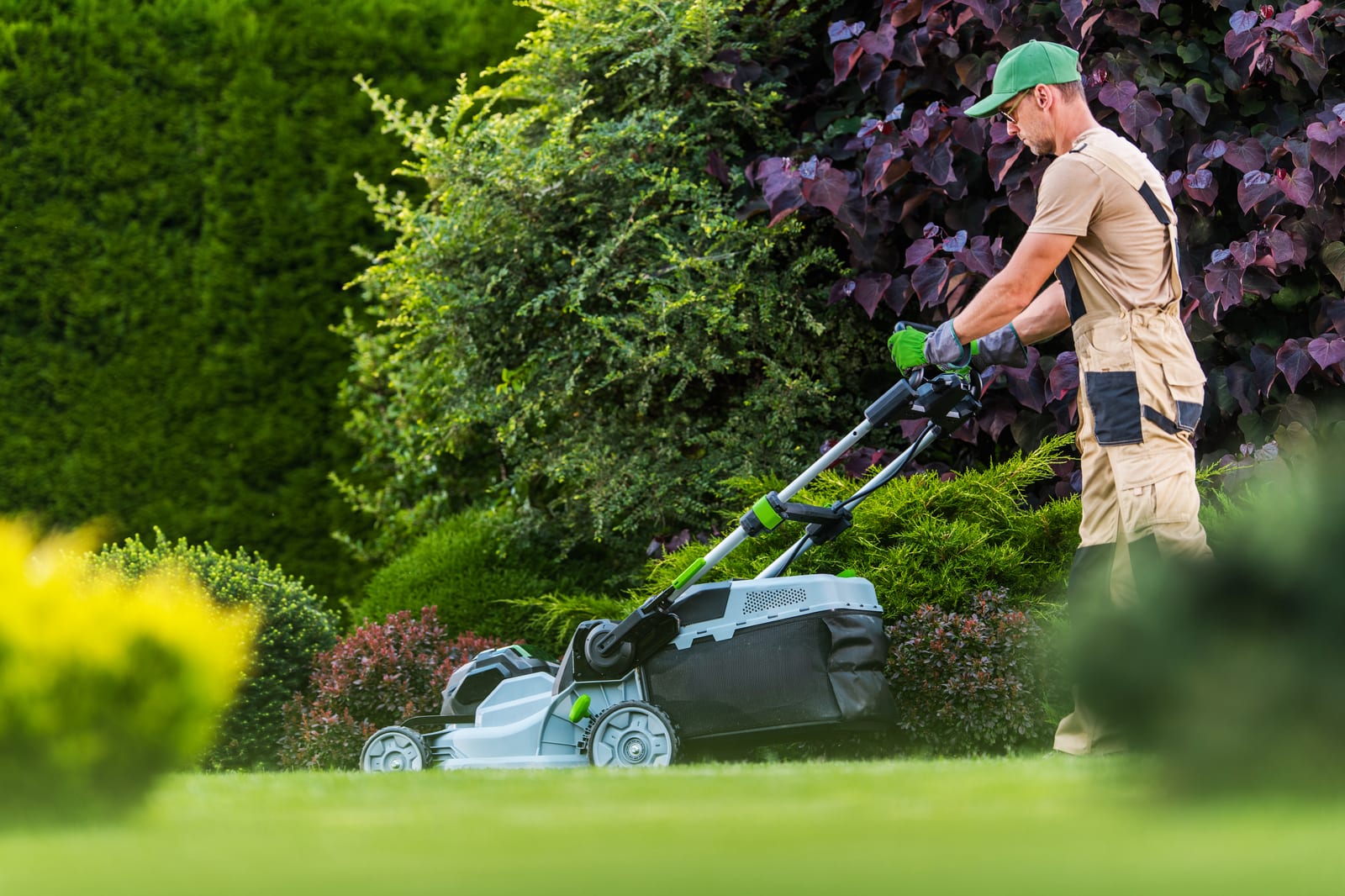
📌 Key Takeaway: Lawn care business startup costs stay manageable when you separate must-have expenses from nice-to-have upgrades and build your operation around route density, recurring work, and tight billing control.
Starting a company means facing lawn care business startup costs before the first recurring customer is fully established. That pressure is real, but it is also manageable. The biggest mistake is not spending too much on one item. It is spending in the wrong order. New operators often buy equipment first, then discover they still need licensing, insurance, fuel, trailer setup, payment processing, routing, payroll tools, and working cash to keep crews moving. A better plan starts with the minimum setup required to perform quality work safely, collect payments consistently, and run dense routes that protect margins from day one.
Lawn Care Business Startup Costs Start With Your Service Model
The fastest way to misjudge startup costs is to price the business before deciding what the business actually does. A mowing-only company, a fertilization and weed control company, and a mixed operation that handles mowing, hedge work, cleanup, and treatments all need different equipment, scheduling habits, and customer communication. Your service mix drives nearly every startup decision, so define it first.
If you plan to focus on recurring mowing, your early cost structure centers on core field equipment, transportation, fuel, route planning, and labor readiness. The work repeats often, which helps cash flow once routes fill in, but it also demands tight scheduling. A loose route with long drive times burns fuel, wastes labor hours, and makes even a busy company feel unprofitable.
If your focus is treatments, the startup picture changes. You need to think more carefully about treatment tracking, product storage, application records, and customer communication after each visit. That makes office systems more important earlier in the buildout. A complete lawn service management software platform matters here because treatment logs, visit reports, statements, routing, and payment tracking all support repeatable service.
A mixed-service company can be strong from the start, but only if you stay disciplined. It is easy to say yes to every kind of job. It is harder to build routes and systems that keep those jobs profitable. Startup costs rise when you add complexity before your process can handle it. That is why the best early decision is often to narrow your service offering, tighten operations, and add services after your schedule and billing cadence are stable.
Equipment, Vehicle, and Field Readiness Costs
Most people think lawn care business startup costs begin and end with mowers. They do not. Field readiness includes every tool, transport need, and daily-use item required to complete work safely and consistently. Equipment is the visible part of the budget, but the support pieces often create the surprise expenses.
Start with the equipment required to perform the exact services you intend to sell. That usually includes mowing tools, trimming and edging tools, blower support, safety gear, and transport capacity that matches your route plan. Buying too much equipment too early locks cash into assets before demand is proven. Buying too little creates breakdowns, missed stops, and rushed jobs that hurt retention. The right approach is practical: purchase for the route you can realistically service now, not the company you hope to be later.
Your vehicle setup matters just as much as the equipment itself. A truck and trailer configuration must load efficiently, secure tools properly, and support the number of stops you plan to run in a day. Poor loading wastes time at every property. Weak organization leads to damaged tools, missing supplies, and longer crew turnaround in the morning. Startup cost planning should include tie-downs, racks, maintenance items, spare blades, fuel cans, hand tools, and the smaller field necessities that keep a route running.
Maintenance readiness also belongs in the startup budget. New owners often budget to buy equipment but not to maintain it. Blades dull. Belts wear. Tires fail. Small engine issues do not wait until cash flow improves. If your business relies on one primary mower and it goes down during a full route day, the cost is not limited to the repair. You also absorb schedule disruption, overtime pressure, and possible customer frustration. That is why startup planning should treat maintenance capacity as an operating requirement, not an afterthought.
The same logic applies to appearance. Branded shirts, basic safety presentation, and clean vehicle organization are not vanity purchases. They support trust at the property line. Homeowners notice whether your operation looks established. Clean execution helps close estimates and supports retention, especially when you are building an early recurring book of business.
Licenses, Insurance, Admin, and Legal Setup
The less visible side of lawn care business startup costs is often what determines whether the business is stable. You can own good equipment and still create serious risk if your administrative setup is weak. The early legal and compliance work protects your operation before volume arrives.
Your exact licensing and registration needs depend on your state, local requirements, and service type. A mowing operation has a different compliance profile than a business offering treatments. If you perform work that requires additional certification or recordkeeping, build that into your launch plan before you start advertising. Do not assume you can fix it later without disruption. Early shortcuts tend to become expensive corrections.
Insurance deserves the same priority. General liability, vehicle coverage, workers-related considerations, and protection for equipment all shape how resilient the company is when something goes wrong. A broken gate, property damage issue, vehicle incident, or crew injury can derail a new operation quickly if coverage is weak or missing. This is one of the clearest examples of smart startup spending. It may not feel productive in the moment, but it protects the business you are trying to build.
Administrative setup includes your business entity, banking, payment processing, tax records, payroll process, and customer paperwork. These are not glamorous tasks, but they separate a real company from a side hustle that stays disorganized. If you mix personal and business activity, delay recordkeeping, or collect payments inconsistently, the cleanup work piles up fast. It also makes pricing harder because you lose visibility into true job costs.
This is where complete lawn service management software becomes part of the startup discussion, not something to “add later.” A new company needs routing, customer records, visit reports, treatment tracking, payroll support, reporting, mobile access, and QuickBooks integration from the beginning if the goal is controlled growth. EZ Lawn Biller is built for that full operational picture. Just as important, its billing model is statement-based. Instead of juggling one-off invoices after every visit, you manage a running balance for each homeowner. Customers can review their statement, make payments against the balance, and use auto-pay through PayPal or Stripe Vault. That structure fits recurring lawn service better than piecing together manual follow-up each week.
Marketing, Sales, and the Cost of Getting Your First Route Dense
Getting customers is part of startup cost planning, but the real goal is not just getting customers. It is getting the right customers in the right geography. Early growth becomes expensive when you accept scattered work that creates long windshield time between stops. Dense routes improve labor use, reduce fuel waste, and make recurring service more profitable.
That means your sales plan should be local and disciplined. Start with neighborhoods and property types you can serve efficiently. Your marketing materials should make your service scope clear, your communication consistent, and your follow-up fast. Every estimate process should feel organized. Homeowners want confidence that you will show up, communicate clearly, and maintain the property without constant reminders.
Your startup budget should also account for the cost of time in sales. Estimating, answering calls, building customer records, setting schedules, and collecting the first payments all consume owner hours. When those tasks live in texts, handwritten notes, and disconnected spreadsheets, sales becomes slow and error-prone. Good software shortens the time between inquiry and active route stop because customer information, routing, statements, visit history, and mobile crew access live in one place.
Recurring revenue is what makes lawn service such a steady business. One-time work can help during launch, but route density and repeat service create the operating base that absorbs normal pressure like fuel swings, labor changes, and weather disruption better than disorganized competitors. A startup that builds around repeatable neighborhoods and clean administrative follow-through is much stronger than one that chases every scattered lead across town.
Software, Billing, Payroll, and Cash Flow Control
A startup does not fail only because expenses are high. It also fails when cash movement is sloppy. Many new owners underestimate how much money gets trapped in late payments, missed follow-up, unclear job records, and payroll handled without a reliable process. That is why software is not a luxury line item. It is part of cost control.
Complete lawn service management software gives you one operating system for the business. Scheduling and route optimization reduce drive time and make daily production more predictable. The mobile app lets crews see stops, notes, and updates in the field instead of relying on phone calls and memory. Visit reports and treatment tracking create a record of work performed, which helps with customer communication and internal accountability. Reports show where the business is producing and where it is leaking time or money. Payroll tools reduce manual processing and help you connect labor activity to actual route output. QuickBooks integration keeps bookkeeping cleaner from the start.
Billing structure matters too. In recurring service, per-visit invoicing creates needless friction. A statement-based system matches how homeowners actually experience lawn service. They receive a running balance statement, see charges and payments in one place, and can pay the balance or any custom amount. Auto-pay reduces collection lag and smooths cash flow. That is not just an office convenience. It directly affects your ability to buy fuel, maintain equipment, and pay crews on time.
This is one reason EZ Lawn Biller works well for growing operators. It is not just billing. It is complete lawn service management software built around the realities of route work. If you are comparing software, some operators also look at Jobber, Service Autopilot, RealGreen, ServiceTitan, or even QuickBooks paired with manual processes. The key issue is not brand familiarity. It is whether the system supports routing, treatment records, statements, reports, mobile crews, customer access, and payroll without forcing the owner into constant workarounds.
How to Build a Realistic Startup Budget Without Overbuying
A realistic budget is not a perfect spreadsheet. It is a sequence. You need to know what must exist before launch, what can wait until route density improves, and what should only be added once the business proves demand. This keeps lawn care business startup costs tied to revenue potential instead of optimism.
Start by listing non-negotiables. These are the items and systems required to perform your chosen services legally, safely, and consistently. They include core equipment, transportation readiness, insurance, required registrations, payment processing, customer recordkeeping, routing capability, and a billing process that supports recurring collections. If you cannot deliver work or collect payment reliably without it, it belongs in the first layer.
Next, separate early-growth tools from launch essentials. Additional specialized equipment, expanded branding, office upgrades, and service expansion tools may be useful, but they do not all belong in the opening phase. New owners often overspend because they want the company to look fully mature on day one. Customers care more about reliability than scale. Show up when scheduled, communicate clearly, document the work, and make payment easy. That wins more trust than a long equipment list.
Then pressure-test your budget against operating reality. Ask practical questions. Can this setup support a full day of stops without constant reloads or delays? Can customers receive statements and pay without chasing you? Can you track treatments and visit history cleanly? Can payroll be processed without rebuilding time records by hand? Can you see which routes are efficient and which are draining margin? If the answer is no, your startup budget may be missing operating essentials even if the equipment list looks complete.
The final step is to preserve working flexibility. Every new lawn business hits routine friction: weather shifts, delayed customer decisions, equipment wear, schedule changes, and admin work that takes longer than expected. Operators who stay organized handle those pressures better. Lawn service remains a strong business because recurring work, route density, and efficient systems create stability over time. Start lean, build clean processes early, and let recurring revenue fund expansion instead of trying to buy the finished company before the route exists.
Frequently Asked Questions
What are the biggest lawn care business startup costs?
The biggest costs usually fall into a few groups: field equipment, vehicle and trailer readiness, insurance, licensing or registration needs, fuel and maintenance capacity, and the systems required to schedule work and collect payments. The exact mix depends on whether you focus on mowing, treatments, cleanup, or a combination of services.
Should a new lawn company buy all equipment upfront?
No. Buy for the services and route volume you can realistically support now. Overbuying ties up cash before recurring revenue is established. It is better to launch with dependable core equipment, organized transport, and strong scheduling and billing systems than to load up on tools you will not use consistently.
Is software really part of lawn care business startup costs?
Yes. Software is part of the operational foundation. A complete lawn service management software platform helps with routing, customer records, treatment tracking, visit reports, payroll, reports, mobile crew access, and QuickBooks integration. It also improves collections when billing is handled through customer statements and auto-pay instead of manual follow-up.
How can a new operator keep startup costs under control?
Narrow the service offering, target tight service areas, avoid scattered route growth, and invest first in the tools that directly support delivery and collections. Keep the business organized from the start. Dense routes, recurring customers, clean statements, and disciplined scheduling do more for profitability than trying to look bigger than you are.