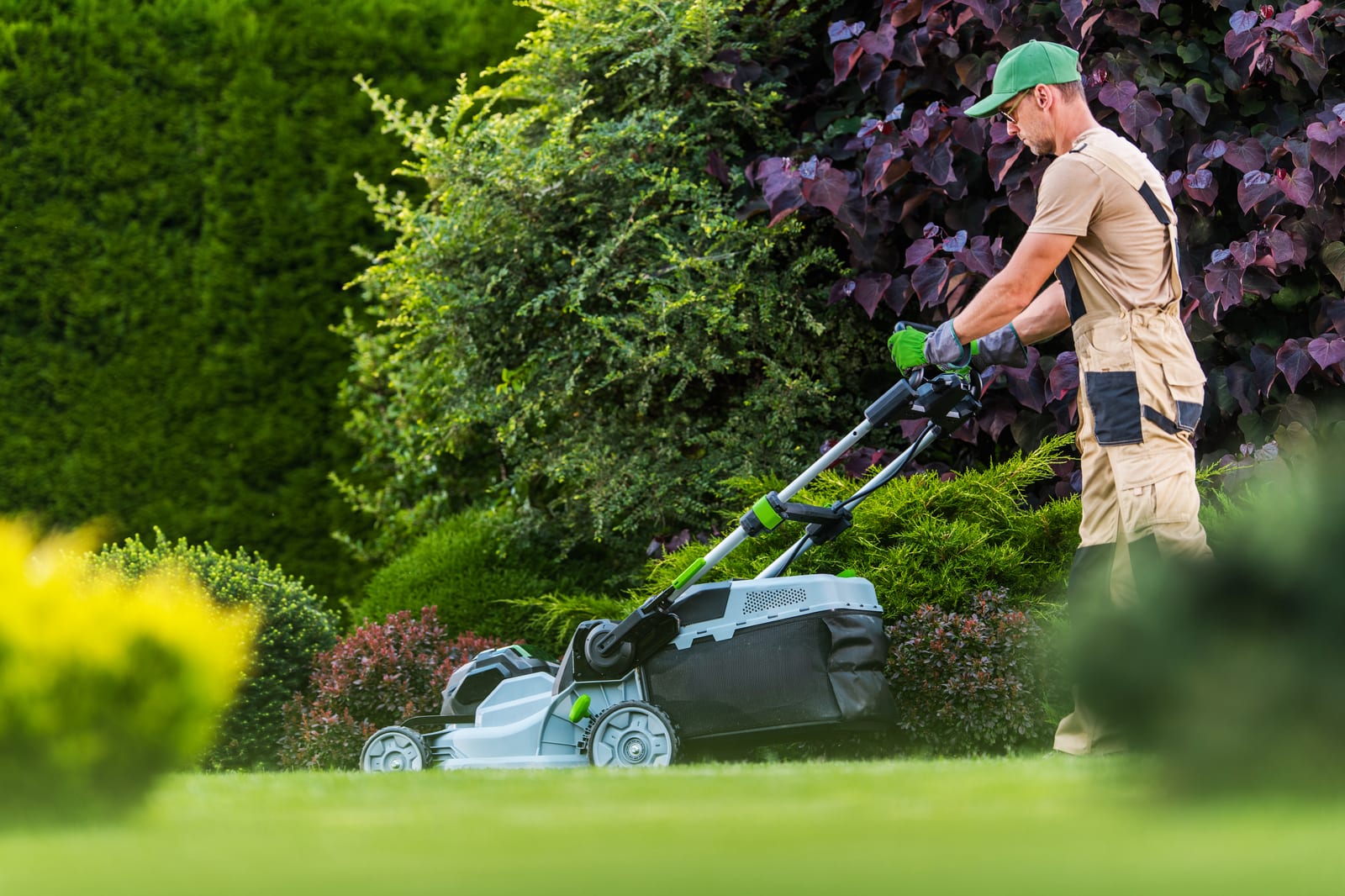
📌 Key Takeaway: Strong lawn care checklists and standard operating procedures turn good crews into consistent crews by making quality repeatable.
Lawn care checklists and standard operating procedures are not paperwork for the office. They are the system that keeps work consistent when routes are full, crews are moving fast, and customers expect the same result every visit. When a company relies on memory, every technician brings a slightly different process to the property. That creates missed gates, uneven trimming, forgotten treatment notes, billing confusion, and callbacks that eat the rest of the day. A written operating standard fixes that. It tells the crew what “done right” looks like before they leave the truck, while they are on site, and after the work is complete.
The best operators treat checklists and SOPs as working tools. They are short enough to use in the field, clear enough to train from, and specific enough to protect quality. They also connect directly to routing, treatment tracking, visit reports, customer communication, payroll, and statement billing inside complete lawn service management software. That connection is what turns a document into an operating system.
Why lawn care checklists and standard operating procedures matter
Consistency is the real value of a checklist. Most customer complaints in lawn service are not caused by a complete failure to show up. They come from small misses that signal sloppy work: a strip of grass left near a fence line, clippings blown into a flower bed, a gate left open, or a treatment visit with no clear notes. Each mistake seems minor on its own. Together they weaken trust. A checklist reduces those misses by standardizing the steps that happen every time.
Standard operating procedures do a different job. A checklist says what must be verified. An SOP explains how the task should be performed. If a checklist says “edge hard surfaces,” the SOP should define where to edge, how clean the line should look, what to do around delicate borders, and how the technician should finish the area with the blower. That level of clarity matters because “use your judgment” produces different results across different crews.
SOPs also shorten training time. New hires do better when they can see the sequence, not just hear it once during ride-alongs. A documented mowing SOP, treatment SOP, cleanup SOP, and customer communication SOP remove guesswork. They give managers a common standard for coaching. Instead of saying a job was “not up to par,” a supervisor can point to the exact missed step and retrain the process.
There is also a business control benefit. When procedures are documented, the company becomes less dependent on one experienced person holding the operation together. Knowledge moves from memory into the business. That makes growth safer. It also makes handoffs easier when routes change, crews switch, or seasonal hiring picks up.
What every lawn service SOP should include
A useful SOP is practical, not academic. It should tell a technician what to do, in what order, what tools are needed, what quality standard applies, and what must be recorded before closing the stop. If it takes too long to read, it will not get used in the field. If it is too vague, it will not improve performance.
Start each SOP with a clear purpose. State the task and the expected outcome in plain language. Then define responsibility. Is this performed by the crew lead, a solo operator, or an office team member? That prevents confusion when work crosses departments, especially with statement billing, treatment logging, and customer follow-up.
Next, outline the trigger for the SOP. Some procedures happen every visit, such as arrival checks, mowing sequence, final walkthrough, and departure notes. Others happen only when conditions call for them, such as weather delays, locked gates, pet waste issues, damaged irrigation heads, turf disease concerns, or upsell recommendations. Writing the trigger keeps people from either overusing or ignoring the procedure.
Then document the step-by-step process. For lawn service, the strongest SOPs usually cover areas like these:
- Pre-departure truck and equipment check
- Arrival and property access
- Mowing pattern and trimming sequence
- Edging and cleanup standards
- Treatment application documentation
- Visit photo or note requirements
- Customer issue escalation
- Weather delay handling
- Rework and callback response
- End-of-day closeout
Each step should define the observable standard. “Mow lawn” is not a standard. “Mow all designated turf areas using the assigned pattern, avoid scalping, inspect for obstacles before starting, and verify the finish before moving to trimming” is much closer to a usable instruction. The technician knows the expectation and the manager has something concrete to inspect against.
A strong SOP should also specify documentation requirements. This is where complete lawn service management software matters. If the process requires treatment tracking, visit reports, internal notes, route completion status, or customer notifications, that must be part of the SOP itself. Otherwise crews perform the physical work but skip the admin step that proves the work happened. Operationally, that gap causes almost as many problems as a missed service.
Finally, include exceptions. Lawn work is full of exceptions: standing water, construction debris, closed gates, aggressive pets, severe overgrowth, or a homeowner request that conflicts with the route plan. The SOP should tell the crew when to pause work, when to notify the office, when to document with notes or photos, and when to leave the property unfinished. Exception handling is what separates a professional procedure from a generic checklist.
The field checklists every crew should actually use
Field checklists work best when they match the rhythm of the day. Crews do not need a giant master form for everything. They need short lists tied to real moments: before leaving the yard, on arrival, during service, before departure, and at day close. That keeps the list usable under real route pressure.
The morning equipment checklist should confirm the day can start cleanly. That means checking mowers, handheld equipment, fuel, blades, string line, PPE, water, chargers, route assignments, and any materials needed for treatment work. If this step is skipped, crews discover missing items on the property, and the route starts slipping before the first stop is complete.
The arrival checklist protects access and customer trust. It should cover parking position, gate access, visible hazards, pet awareness, lawn conditions, weather impact, and any special property instructions already stored in the account. This is also the point where a crew verifies they are at the correct property and understands the expected scope. That sounds basic, but route mistakes happen when people move too fast.
The service checklist should mirror the workflow on site. For mowing, that means confirming turf areas are cut, trim work is complete, edges are clean, clippings are managed properly, hard surfaces are blown off, and the property appearance matches company standard. For treatment services, the checklist should confirm the product or treatment plan assigned, the areas serviced, any conditions observed, and what was logged in the system before the technician leaves.
The departure checklist matters just as much as the work itself. Crews should verify gates are secured, equipment is loaded, no debris is left behind, notes are entered, and any customer-facing update has been sent if the job requires it. Many callbacks come from departure failures, not poor technical work. An open gate, missed note, or forgotten follow-up message turns a completed stop into a customer service issue.
The end-of-day checklist closes the operational loop. It should include route completion review, unresolved issues, reservice items, equipment problems, crew notes, payroll time review, and any customer balances or service status items that need office attention. This is where software creates leverage. When crews close out work in the mobile app and the office sees the route status, visit reports, and notes in one place, the next day starts organized instead of reactive.
How to build SOPs that crews will follow
Most failed SOPs are not rejected because crews hate systems. They fail because the document does not fit the work. It is too long, too generic, too office-driven, or disconnected from what actually happens on a property. Adoption improves when procedures are built from the field backward.
Start by watching your best people work. Look for sequence, not just skill. The question is not “Who gets the nicest result?” The question is “What repeatable order produces that result?” Great operators do not just work hard. They reduce wasted motion, avoid retracing steps, manage equipment transitions smoothly, and notice small issues before they become callbacks. Capture that process in plain language.
Write one version of the SOP, then test it on real stops. If the crew lead has to explain around the document every time, the SOP is incomplete. If technicians skip parts because they slow the route down, the SOP is too heavy or badly ordered. A field-ready SOP should support speed by reducing decisions, not create drag by adding clutter.
Keep the language direct. Use action verbs. Avoid policy language that sounds like a handbook. “Inspect all fenced areas before trimming” is stronger than “It is recommended that fenced areas be reviewed prior to commencement of trimming operations.” Crews follow instructions they can absorb at a glance.
Attach checklists to the SOP, but do not confuse the two. The SOP is the method. The checklist is the verification tool. When a company treats the checklist as the whole system, quality drops because people can check boxes without understanding the process behind them. When the SOP and checklist work together, the checklist reinforces the standard instead of replacing it.
Revision discipline matters too. Every time a callback exposes a preventable miss, review the process. Was the SOP weak? Was the checklist missing a checkpoint? Was the route rushed so hard that the standard became unrealistic? Continuous improvement in lawn service does not come from motivational speeches. It comes from adjusting the operating system until the common mistakes become harder to make.
Using software to turn SOPs into daily execution
Paper checklists can help, but software makes standards visible across the whole company. That matters when you need the office, field crews, and management working from the same process. Complete lawn service management software connects the checklist to the route, the customer record, the treatment history, the visit report, and the payment record. That is what makes the system enforceable.
Route assignments should carry property notes that matter to execution. If a customer wants a specific gate used, has a dog in the backyard, requests clipping control around a garden bed, or receives a certain treatment schedule, that information should appear where the crew sees it before starting work. A separate paper file in the office does not help the technician standing at the curb.
Visit reports are another major advantage. If your SOP requires crews to log what was done, note conditions, and flag issues before leaving, software gives those steps a home. Managers can see whether procedures were followed without chasing texts or piecing together verbal updates. The result is cleaner communication and faster resolution when a customer has a question.
Statement-based billing also benefits from clean SOP execution. When services, treatments, and notes are recorded correctly, the customer’s running balance reflects real work completed. The office can issue statements with confidence because field records are complete. That is a better operational chain than trying to reconstruct the month from scattered notes or memory.
Mobile access matters here. If the SOP only exists in a printed binder, it becomes outdated and hard to enforce. If it lives inside the mobile workflow, the crew can review the standard, complete the visit, log notes, and close the stop in one place. Managers can also revise procedures as the business changes without hoping everyone remembers the newest version.
This is where EZ Lawn Biller fits well. It is complete lawn service management software, not just a billing tool. When routing, treatment tracking, visit reports, reports, payroll, QuickBooks integration, customer communication, and statement billing are connected, your SOPs stop being separate documents and become part of daily execution. You can see EZ Lawn Biller pricing at /pricing/ or request a demo at /demo/.
How to roll out checklists without pushback
A checklist rollout fails when crews hear one message: more paperwork. It succeeds when they see a different message: fewer mistakes, clearer expectations, and less backtracking. The rollout should begin with the problems the system solves. If callbacks are coming from missed gates, inconsistent trim quality, skipped notes, or treatment confusion, say that plainly. Good crews usually want fewer preventable problems, not more of them.
Train from live examples. Walk a property and show the standard in real time. Point to what counts as complete edging, proper cleanup, acceptable note detail, and a finished departure check. People learn faster from visible standards than from a meeting room explanation. Then put the checklist in use immediately, while the standard is still fresh.
Supervisors need to inspect against the checklist early. Not forever at the same intensity, but long enough to show the document matters. If leaders never review compliance, crews treat the checklist as optional. If leaders use it consistently for coaching, it becomes part of how the company works. The tone matters here. The first uses should focus on alignment, not punishment. You are building a common operating language.
It also helps to keep feedback channels open. Crews often know where the checklist is unrealistic, where sequence is off, or where a note requirement needs simplification. That does not mean the standard should become loose. It means the process should be strong enough to survive real route conditions. The best SOPs are disciplined, but they are also field-tested.
Over time, the payoff becomes obvious. Fewer missed steps. Faster training. Better route handoffs. Cleaner customer communication. More accurate records. Stronger statement billing support. The company feels less fragile because quality no longer depends on memory alone. That is the real purpose of lawn care checklists and standard operating procedures: they make good service repeatable at scale.
Frequently Asked Questions
What is the difference between a lawn care checklist and a standard operating procedure?
A checklist is a short verification tool. It confirms that required steps were completed. A standard operating procedure explains how the work should be done, in what order, and to what quality standard. In practice, the SOP teaches the method and the checklist enforces consistency.
Which lawn service tasks need SOPs first?
Start with the tasks that happen most often or create the most callbacks. For most companies, that means mowing, trimming, edging, cleanup, arrival and departure procedures, treatment logging, weather delay handling, and customer issue escalation. Build standards around repeat work before tackling rare exceptions.
How long should a lawn care SOP be?
It should be long enough to remove guesswork and short enough to use in the field. If a technician cannot review the core process quickly, the SOP is too heavy. Keep detailed explanation where needed, but write the working procedure in clear steps that match the actual visit flow.
Can software replace written checklists?
No. Software improves execution, visibility, and accountability, but it does not define the standard by itself. You still need written lawn care checklists and standard operating procedures that tell crews what right looks like. Software works best when it carries those standards into routing, visit reports, treatment tracking, payroll, customer communication, and statement billing.