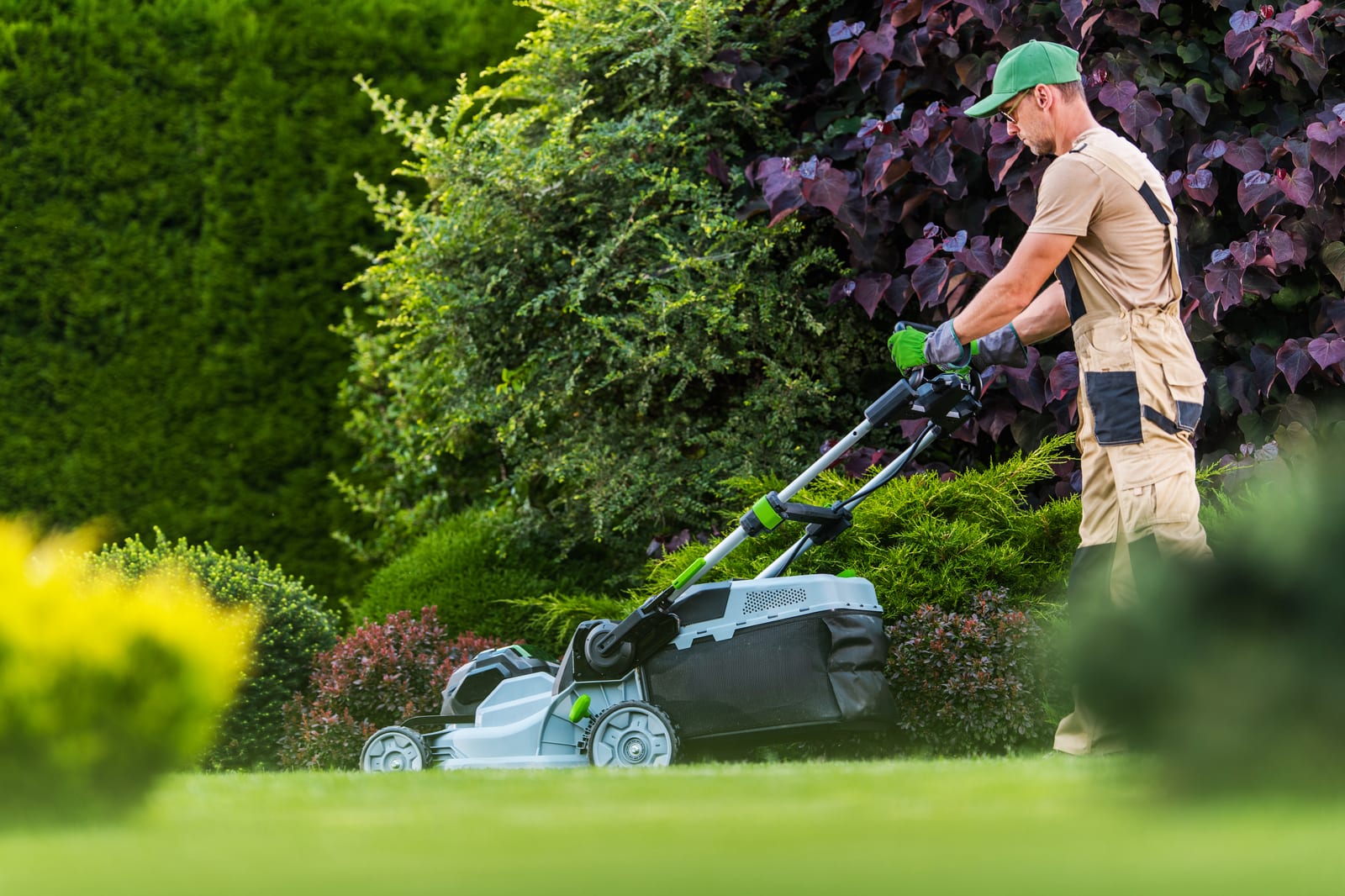
📌 Key Takeaway: The best lawn care route software does more than draw lines on a map—it helps you run denser routes, document work, collect payments through statements, and keep crews accountable.
Lawn care route software matters because route quality shapes almost every part of the day. It affects windshield time, fuel use, crew stress, on-time arrivals, customer communication, and how many properties you can service without adding chaos. If your schedule lives in a spreadsheet, a whiteboard, or one dispatcher’s memory, you do not have a routing system. You have a daily scramble.
That scramble gets expensive fast. Crews backtrack across town. A treatment tech misses a stop because the notes stayed in the office. A mower arrives at a gated property without access details. A homeowner calls asking whether service happened, and nobody can answer without texting the field. Good lawn care route software fixes those operational gaps by connecting routing, service records, billing, and communication in one place. That is why the right platform should be evaluated as complete lawn service management software, not just mapping tools.
What Lawn Care Route Software Should Actually Do
Lawn care route software should solve the full route workflow, not just the drive between stops. A map with pins is not enough. The real job starts before the first property and continues after the last crew clocks out.
At the scheduling level, software should let you organize recurring service in a way that reflects how lawn companies actually work. That means repeat mowing schedules, treatment cycles, special service notes, property-specific instructions, and the ability to adjust the day when weather changes or a customer reschedules. Routes need to be easy to build, but they also need to stay usable when real life interrupts the plan.
In the field, crews need clear stop lists, directions, customer notes, and service history on a mobile app. That reduces calls back to the office and keeps the work moving. If a property requires a certain gate code, side-yard access, pet note, or treatment warning, the crew should see it at the stop, not after a mistake. The same applies to visit reports. A route is only valuable if the office can verify what happened at each property.
After the work is done, the system should carry that information into customer communication and billing. For lawn companies, statement-based billing is often a better fit than per-visit invoicing. A running balance gives homeowners a clearer view of recurring service, extra work, payments, and credits. It also reduces the friction that comes from issuing a separate invoice every time a crew touches a property. That is why complete lawn service management software outperforms stand-alone routing apps: it connects the route to the rest of the business.
How Better Routing Improves Margins Without Raising Prices
Most operators look at routing as a scheduling issue. It is really a margin issue. The tighter your routes, the more productive each crew hour becomes.
When routes are built by habit instead of geography, crews lose time in small chunks that add up across the week. A few extra turns, a few miles between properties, or a poorly sequenced neighborhood can quietly drain labor and fuel. The problem is not always obvious because the day still gets finished. But finishing the day does not mean the route was efficient.
Good route software helps you group work more intelligently. It keeps nearby properties together, reduces unnecessary backtracking, and makes it easier to assign the right work to the right crew. Mowing routes, treatment routes, hedge work, and cleanup jobs all have different timing and equipment needs. When those jobs are forced into the same loose schedule without structure, the result is wasted motion. Better route design turns the calendar into a production tool instead of a list of addresses.
Route density also improves customer experience. When crews serve tighter areas, arrival windows become more dependable. If rain forces schedule changes, dispatch can reshuffle work with less disruption because the stops are already organized in sensible clusters. That means fewer apology calls and fewer situations where a homeowner wonders whether service was skipped.
This is where software creates a competitive advantage. Disorganized operators feel every scheduling shock more sharply. Organized operators absorb changes faster because the route plan is visible, editable, and connected to the field. In a steady, recurring business like lawn service, that consistency compounds.
Features That Separate Real Software From Basic Mapping Apps
A lot of tools can show a route. Fewer tools can run a lawn business. If you are comparing platforms, focus on features that support daily execution, not just route display.
First, look at recurring scheduling and route optimization together. Lawn service is built on repeat work. You need software that understands repeating stops and helps place them efficiently across the week. If the system handles only one-off dispatching, the office will still spend too much time rebuilding the same schedule.
Second, the mobile app has to be practical for field use. Crews should be able to open the day’s route, see stop details, mark work complete, add notes, and document what was done without extra steps. If the mobile workflow is clunky, techs will skip it, and the office will lose visibility again. Ease of use matters because field adoption determines whether the software produces clean records.
Third, visit reports and treatment tracking matter. Lawn companies do not just need proof that a truck arrived. They need a service record. What treatment was applied? Was mowing completed? Were there property issues worth documenting? That information protects the company, supports customer communication, and gives the office a reliable history for future visits.
Fourth, billing should match the business model. EZ Lawn Biller uses statements, which fit recurring lawn service better than a stack of isolated per-visit invoices. Homeowners can review their running balance, make payments, and use auto-pay through PayPal or Stripe Vault. That reduces confusion and helps the office stay current without turning every service day into a separate billing event.
Finally, reports, payroll tools, customer portal access, and QuickBooks integration matter because routing is not isolated from the rest of operations. If a route change affects labor hours, revenue timing, or customer follow-up, the software should make those downstream effects easier to manage. That is the difference between a routing add-on and complete lawn service management software.
How to Choose Lawn Care Route Software for Your Operation
The right platform depends on how your company actually runs, not on which product has the flashiest demo. Start with your operational bottlenecks.
If your biggest problem is wasted drive time, evaluate how the system builds and adjusts routes. If your biggest problem is missed service details, focus on mobile app usability and visit reporting. If cash flow and collections are the pain point, pay close attention to billing workflows, statements, payment processing, and customer portal access. Route software should fix the pressure points you feel every day, not add another layer of admin work.
It also helps to think in terms of office-to-field handoff. A strong system should reduce the number of calls, texts, and memory-based instructions needed to get work done. The office should be able to schedule work, assign it cleanly, and trust that the field sees the same information. In return, the field should be able to complete the stop and send status back without paper notes or end-of-day reconstruction.
Be realistic about training, too. Software fails when adoption is weak. A platform can have strong features and still disappoint if crews avoid it or the office finds it tedious to maintain. That is why simplicity matters. The best systems create discipline without creating friction. They make the right process easier than the old process.
Some companies compare EZ Lawn Biller to Jobber, Service Autopilot, RealGreen, ServiceTitan, or even QuickBooks plus spreadsheets. That comparison is useful only if you look beyond surface features. A lawn company needs routing, service documentation, mobile access, payments, and reporting tied together. Piecing those functions across separate tools often creates duplicate data entry and blind spots. One system is easier to manage than a patchwork.
Before you choose, map your daily workflow from scheduling through payment. Then ask a simple question at each step: does this software remove effort, or does it move effort around? That question cuts through a lot of marketing language.
Why Route Software Works Best When It Runs the Whole Business
Route efficiency by itself is valuable, but it becomes far more powerful when it is tied to the rest of operations. That is why lawn companies outgrow stand-alone apps.
A route is the centerline of the workday. Crews follow it, customers experience it, and the office depends on it. But a route also produces business data. It determines who serviced which property, what was done, when it was completed, what follow-up is needed, and what should appear on the customer’s statement. If those records live in separate systems, managers spend too much time reconciling information that should have been captured once.
Complete lawn service management software closes those gaps. The schedule informs the route. The route informs the visit report. The visit report informs customer communication. The completed work informs the statement. Payments update the account, and the office can see the whole customer relationship without pulling data from multiple places. That chain matters because operational mistakes usually happen at the handoff between systems.
It also helps with accountability. When the route, service completion, notes, and payments all live together, it is easier to spot missed stops, inconsistent production, or recurring customer issues. Managers can coach crews from actual records instead of guesses. Office staff can answer homeowner questions with confidence because the information is in one place.
For a recurring-revenue business, this matters even more. Lawn service is steady work when the operation is organized. Companies with route density, disciplined scheduling, and software-driven records handle seasonal swings better than companies relying on memory and manual follow-up. The software does not replace management, but it gives management something solid to run on.
Frequently Asked Questions
What is lawn care route software?
Lawn care route software is a system that helps lawn companies schedule, organize, and manage service stops for mowing, treatments, and related work. The best options also include mobile access, visit reports, customer records, payments, and reporting so the route connects directly to the rest of the business.
Is route software only useful for large lawn companies?
No. Any company with recurring stops can benefit from better route structure. Even smaller operators feel the cost of wasted drive time, missed notes, and inconsistent scheduling. As the route count grows, the value becomes even more obvious because manual systems break down faster.
What features matter most in lawn care route software?
Recurring scheduling, route optimization, a usable mobile app, visit reports, treatment tracking, customer notes, statement billing, payment collection, and reporting matter most. The software should support the full work cycle from dispatch to payment, not just turn-by-turn directions.
Why is statement billing better for recurring lawn service?
Statement billing matches how recurring lawn work accumulates over time. Instead of treating every visit as an isolated billing event, the customer sees a running balance that includes services, payments, and credits. That gives homeowners a cleaner record and gives the office a smoother collection process.